Global Tax Rules and Exchange Reporting Systems Target Crypto Gambling Privacy
New 2026 tax regulations and international data-sharing frameworks are forcing crypto casinos and gambling platforms to implement identity verification and reporting systems. The changes effectively end the anonymous gambling model that has defined much of the sector.
Written by CoinArticle’s AI Newsroom · from 1 cited source. How we work
New Regulatory Framework Takes Shape
Starting in 2026, coordinated tax rules and exchange reporting systems are requiring crypto gambling platforms to collect user identity information and report transactions to authorities. The shift reflects a broader international effort to bring cryptocurrency activity within existing financial surveillance infrastructure, similar to rules applied to traditional online gambling and sports betting.
These rules mandate that platforms verify user identities before permitting gambling activity and report winnings and losses to tax authorities in jurisdictions where users are resident. Exchanges and wallet providers that facilitate transfers to gambling sites face compliance requirements as well.
Structural Impact on the Sector
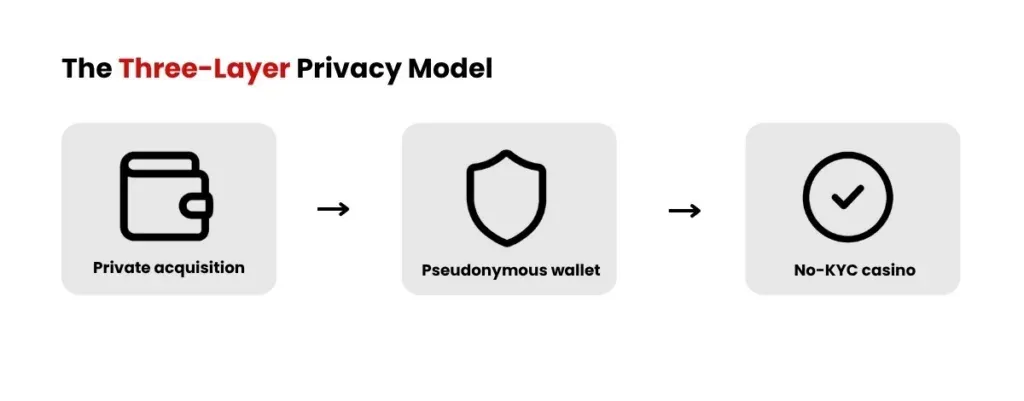
The anonymous gambling model — where users could place bets and withdraw winnings without revealing their identity — depended on regulatory arbitrage and gaps in cross-border enforcement. That arbitrage is narrowing as countries adopt compatible reporting standards and data-sharing agreements.
Platforms currently operating without identity verification face a choice: implement KYC systems and accept reduced addressable markets in restricted jurisdictions, or exit regulated markets entirely and operate only in jurisdictions with weaker enforcement. Neither path preserves the original proposition of pseudonymous, borderless gambling.
Why Markets and Builders Should Pay Attention
The regulatory shift signals that crypto sectors offering primary utility as alternatives to traditional finance — including gambling — will face compliance pressure equivalent to their legacy counterparts, rather than a lighter touch. Projects built on the assumption of permanent anonymity or regulatory arbitrage should recalibrate their go-to-market strategy.
Why It Matters
For Traders
Crypto-to-fiat exits from gambling platforms will face compliance delays and reduced anonymity, increasing friction for traders seeking to monetize winnings quickly.
For Investors
Gambling-focused blockchain projects and protocols may see user migration or lower adoption if platforms add KYC requirements; traditional gaming stocks may benefit from reduced crypto gambling competition.
For Builders
Privacy-focused protocols and DEXs may face regulatory pressure if designed with gambling as a primary use case; infrastructure for compliant reporting is becoming a competitive necessity.
This article is for information only and is not financial advice. Read the full disclaimer.