Crypto Casinos' Smart Contract Claims Face Scrutiny Over Actual On-Chain Usage
A review of crypto casino operations finds widespread claims of smart contract automation that often exceed what is actually deployed on-chain. The gap between marketing promises and verifiable on-chain implementation raises questions about transparency and player protections.
Written by CoinArticle’s AI Newsroom · from 1 cited source. How we work
The Discrepancy Between Claims and Reality
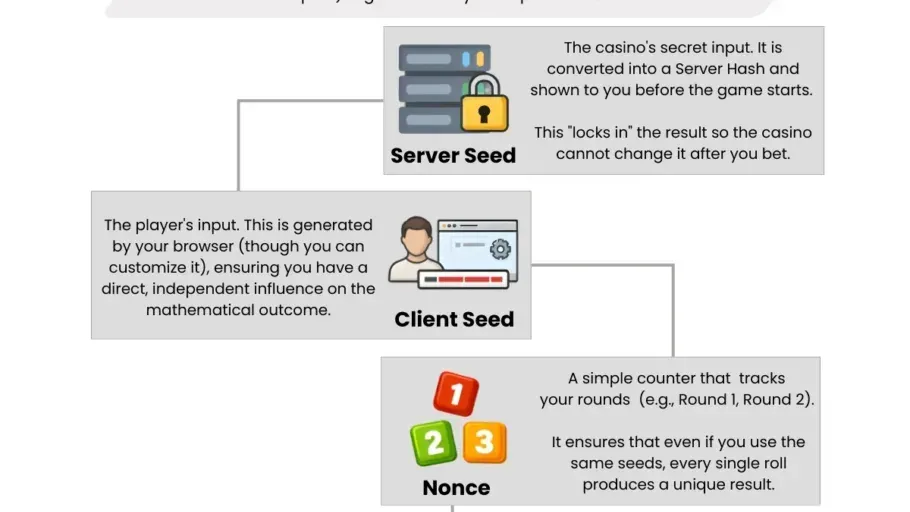
Crypto casinos routinely advertise smart contract automation as a core feature, yet on-chain analysis shows significant gaps between marketing language and actual implementation. Many platforms claim full transparency and trustless execution but operate game logic, payout calculations, or fund custody through centralized backends rather than auditable smart contracts. The distinction matters: a provably fair game running entirely on-chain can be verified by any player or auditor, while one relying on off-chain components depends on issuer honesty.
Where Smart Contracts Actually Appear
On-chain activity from major crypto casino platforms reveals smart contracts are typically limited to specific functions: initial deposit routing, staking mechanics for loyalty tokens, and settlement of large withdrawals. The core game logic—dice rolls, card shuffles, and spin outcomes—often remains off-chain, with results posted to the blockchain after execution rather than determined by it. Some platforms do use on-chain randomness for smaller bets while centralizing larger wagers to manage liquidity and operational costs.
Implications for Players and Auditors
The pattern suggests a gap between the marketing pitch of transparency and the practical architecture many platforms deploy. Players cannot independently verify outcomes on games where logic executes off-chain, reversing the original value proposition of blockchain-based gaming. Regulators and auditors examining these platforms must distinguish between platforms with genuine on-chain automation and those using blockchain primarily for settlement and liquidity management.
Why It Matters
For Traders
Platforms with off-chain game logic carry custody and fairness risks that on-chain verification would mitigate; this gap may affect risk assessment for players moving volume to new venues.
For Investors
The disconnect between marketing and implementation suggests regulatory exposure for platforms misrepresenting their technical architecture to users and potential compliance gaps.
For Builders
Demand for genuinely verifiable on-chain gaming infrastructure remains underserved; protocols enabling full on-chain game logic could differentiate in a market where most competitors cut corners.
This article is for information only and is not financial advice. Read the full disclaimer.