Gold Holds Steady as Fed Rate Hike Concerns Weigh on Macro Markets
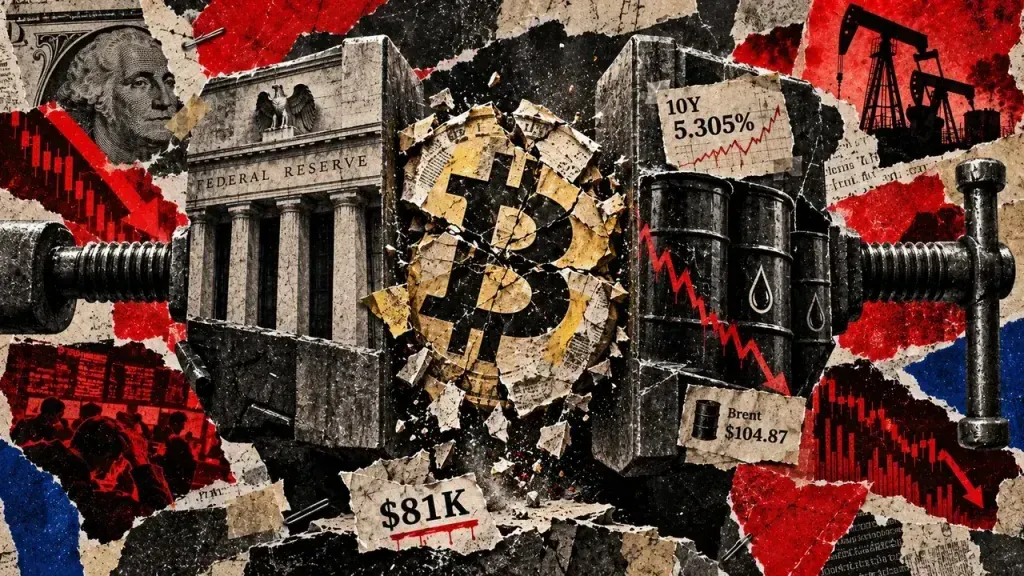
Gold prices remained stable Tuesday despite growing expectations of additional Federal Reserve rate increases, which typically reduce demand for non-yielding assets. Oil rose on supply concerns tied to escalating tensions in the Strait of Hormuz, a critical global energy chokepoint.
Written by CoinArticle’s AI Newsroom · from 1 cited source. How we work
Gold's Resilience Amid Rate Pressure
Gold held steady as markets priced in the likelihood of further Fed rate hikes, a headwind that typically pressures the precious metal. Higher interest rates reduce the opportunity cost of holding gold, which generates no yield, making competing assets like Treasury bills more attractive to investors. The metal's ability to maintain its level suggests demand from hedging flows remains sufficient to offset forward rate expectations.
Oil Climbs on Geopolitical Risk
Crude oil prices rose as tension in the Strait of Hormuz—through which roughly 20% of global seaborne oil passes—created supply uncertainty. The strait remains one of the world's most critical energy chokepoints, and any disruption to transit carries outsized implications for global energy markets and inflation expectations. The price movement reflects standard risk-on positioning rather than fundamental changes in production or consumption.
Macro Crosscurrents
The divergence between gold's stability and oil's upside reflects how different commodities respond to overlapping but distinct drivers. Fed policy tightening typically strengthens the dollar, which can pressure oil demand and reduce the attractiveness of gold. Geopolitical supply risks, by contrast, tend to support energy prices regardless of monetary conditions, creating asymmetric positioning across the commodity complex.
Why It Matters
For Traders
Gold's steadiness despite hawkish Fed signals suggests support floors are holding; oil's geopolitical bid could extend into crypto energy-hedging narratives.
For Investors
Diverging commodity signals indicate macro uncertainty; higher oil prices may pressure stablecoin yields and miner margins in energy-intensive regions.
For Builders
Oil price volatility tied to geopolitical shocks increases the case for on-chain energy derivatives and decentralized commodity pricing infrastructure.
This article is for information only and is not financial advice. Read the full disclaimer.