Greece Plans 15% Capital Gains Tax on Cryptocurrency Sales
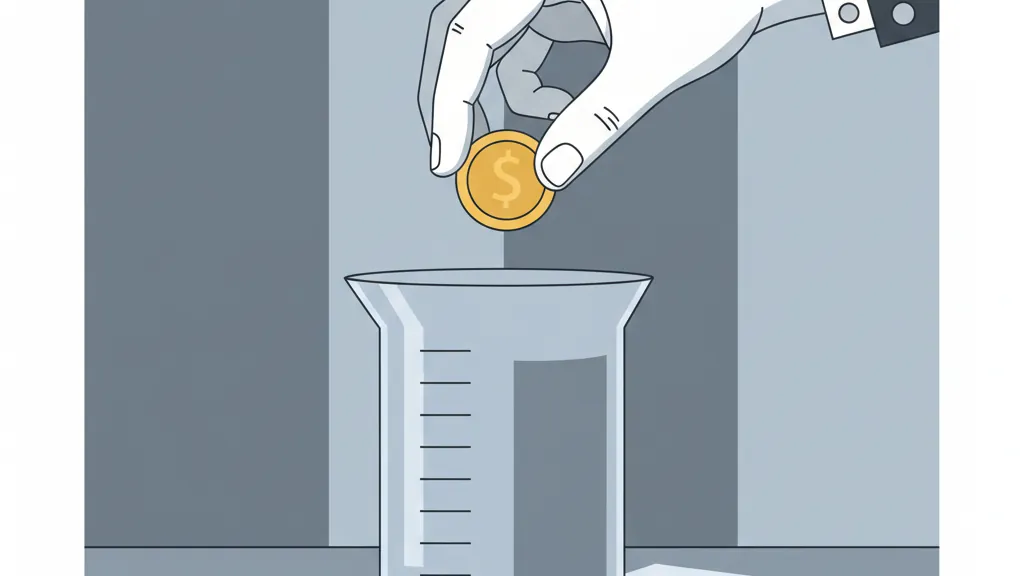
Greece is introducing a 15% capital gains tax on cryptocurrency transactions, according to reports Tuesday. The rate aims to establish regulatory clarity while remaining competitive relative to other European jurisdictions.
Written by CoinArticle’s AI Newsroom · from 1 cited source. How we work
Tax Rate and Rationale
Greece plans to impose a 15% capital gains tax on cryptocurrency sales, according to government announcements. The rate applies to profits realized from selling digital assets and represents an effort to establish a formal tax framework for crypto transactions within the country.
The 15% rate is positioned as competitive within Europe, where capital gains taxation on crypto ranges from zero in some jurisdictions to above 40% in others. Greek officials framed the measure as a balance between revenue generation and incentivizing digital asset investment.
Potential Economic Impact
Proponents of the tax argue that clear, moderate rates may attract cryptocurrency investors and businesses to Greece by removing regulatory uncertainty. Countries with explicit crypto tax rules have historically seen increased trading activity and enterprise formation, though direct causal relationships remain difficult to establish.
The announcement signals Greece's intent to bring the crypto sector into its formal tax system rather than leave it unregulated or pursue aggressive enforcement retroactively.
Why It Matters
For Traders
Traders operating in Greece now have a defined tax liability at the point of sale; tax planning becomes more predictable than under prior regulatory ambiguity.
For Investors
A moderate, transparent tax rate may improve institutional adoption in Greece, though the 15% rate remains higher than some jurisdictions and lower than others.
For Builders
Clear tax rules reduce compliance friction for crypto firms considering Greek operations, though application to DeFi yield and token incentives remains unspecified.
This article is for information only and is not financial advice. Read the full disclaimer.