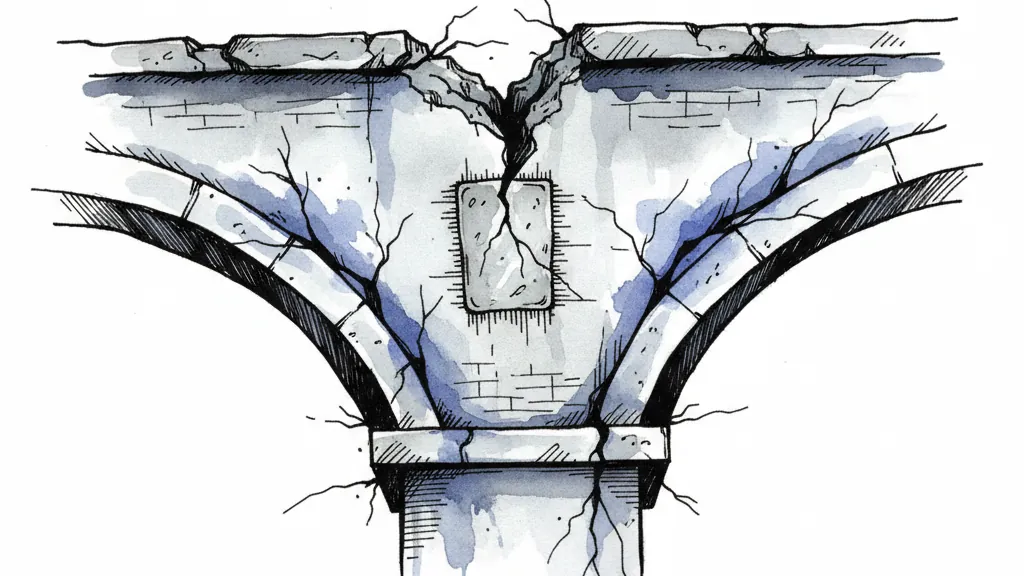
Verus Ethereum Bridge Exploited for $7.54M in Second Attack
The Verus Ethereum Bridge was compromised for approximately $7.54 million in assets, according to security firm Blockaid. The attack exploited the same vulnerability that affected the bridge in May, suggesting the flaw was not fully remediated.
Written by CoinArticle’s AI Newsroom · from 1 cited source. How we work
Second Exploit of Same Vulnerability
Security firm Blockaid identified an exploit of the Verus Ethereum Bridge that resulted in approximately $7.54 million in losses. Blockaid attributed the attack to the same bridge flaw that was exploited in May, indicating the underlying vulnerability remained present despite the earlier incident.
Prior Incident in May
The May 2026 exploit demonstrated the same technical weakness, yet the bridge did not implement a complete fix. The recurrence suggests either remediation efforts were incomplete or the bridge operator did not fully understand the scope of the vulnerability when the first attack occurred.
Why It Matters
For Traders
Bridge exploits reduce confidence in cross-chain liquidity pools; users may withdraw or rebalance positions away from vulnerable routes.
For Investors
Repeated unpatched vulnerabilities in cross-chain infrastructure signal operational or technical governance gaps that erode protocol credibility.
For Builders
Bridge integrations require continuous security audits; unpatched flaws in upstream bridges create liability cascades for dependent protocols.
This article is for information only and is not financial advice. Read the full disclaimer.