Grid Trading Strategy Explained: Automate Profits in Sideways Markets
Grid trading is an automated strategy that places multiple buy and sell orders at predetermined price intervals, ideal for sideways markets. Platforms like Cryptohopper make implementing this strategy accessible to traders of all experience levels.
Key Takeaways
- 1**Sideways markets**: Best results occur when price consolidates without strong directional bias
- 2**High volatility periods**: Increased price swings generate more trading opportunities
- 3**Range-bound assets**: Cryptocurrencies showing clear support and resistance levels
What Is Grid Trading?
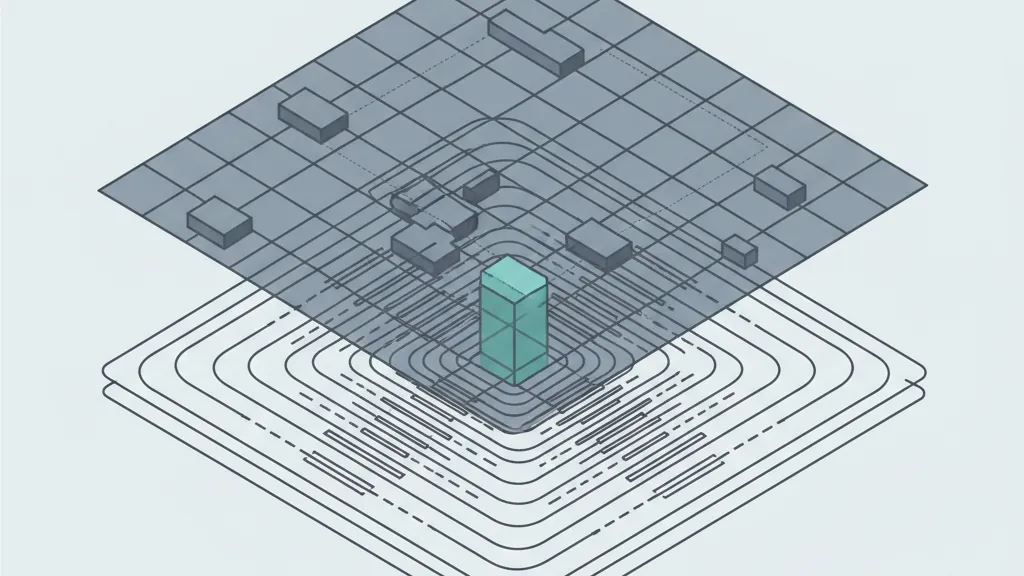
Grid trading is a systematic approach where traders place a series of buy orders below the current price and sell orders above it, creating a "grid" of positions. When price fluctuates within this range, the strategy automatically captures profits from each small price movement. This method works particularly well in sideways (ranging) markets where price oscillates between support and resistance levels.
How Grid Trading Works
The strategy operates by:
- Setting an upper and lower price boundary
- Dividing this range into equal intervals
- Placing buy orders at lower levels and sell orders at higher levels
- Capturing the spread between each buy and sell execution
For example, if Bitcoin trades between $40,000-$42,000, you might place 10 buy orders between $40,000-$41,000 and 10 sell orders between $41,000-$42,000. Each time price drops to a buy level, you accumulate position; each time it rises to a sell level, you lock in profits.
When to Use Grid Trading
Grid trading shines in specific market conditions:
- Sideways markets: Best results occur when price consolidates without strong directional bias
- High volatility periods: Increased price swings generate more trading opportunities
- Range-bound assets: Cryptocurrencies showing clear support and resistance levels
Avoid grid trading during strong trending markets, as price may break through your grid without returning, leaving you overexposed.
How to Try on Cryptohopper
Step 1: Set Your Parameters
Define your price range, grid size, and position quantities in Cryptohopper's grid trading interface.
Step 2: Activate Automation
Enable the bot to automatically execute buy and sell orders according to your grid configuration.
Step 3: Monitor and Adjust
Regularly review performance and adjust parameters based on market conditions.
Why It Matters
For Traders
Grid trading removes emotion from trading decisions and automates profit-taking, allowing consistent returns in volatile markets without constant monitoring.
For Investors
Automation through Cryptohopper reduces the need for active management while potentially generating steady income from market fluctuations.
For Builders
Understanding grid mechanics helps developers create more sophisticated trading bots with advanced risk management features.
Conclusion
Grid trading represents a powerful strategy for capturing profits in sideways markets. Platforms like Cryptohopper democratize access to this sophisticated technique, enabling traders to automate execution and remove emotional decision-making.
Disclosure: This article is educational content. Grid trading involves risks including capital loss. Always conduct thorough research and test strategies with small amounts before deploying significant capital.