Grid Trading Strategy Explained: Automate Profits in Sideways Markets
Grid trading is an automated strategy that profits from price fluctuations by placing multiple buy and sell orders at regular intervals within a defined price range. This approach works exceptionally well in sideways markets where prices oscillate without clear directional trends.
Key Takeaways
- 1**Upper and lower price boundaries** defining the trading range
- 2**Number of grid lines** determining order frequency
- 3**Order size** for each grid level
- 4**Profit margin** between buy and sell orders
- 5Volatile but range-bound assets
What is Grid Trading?
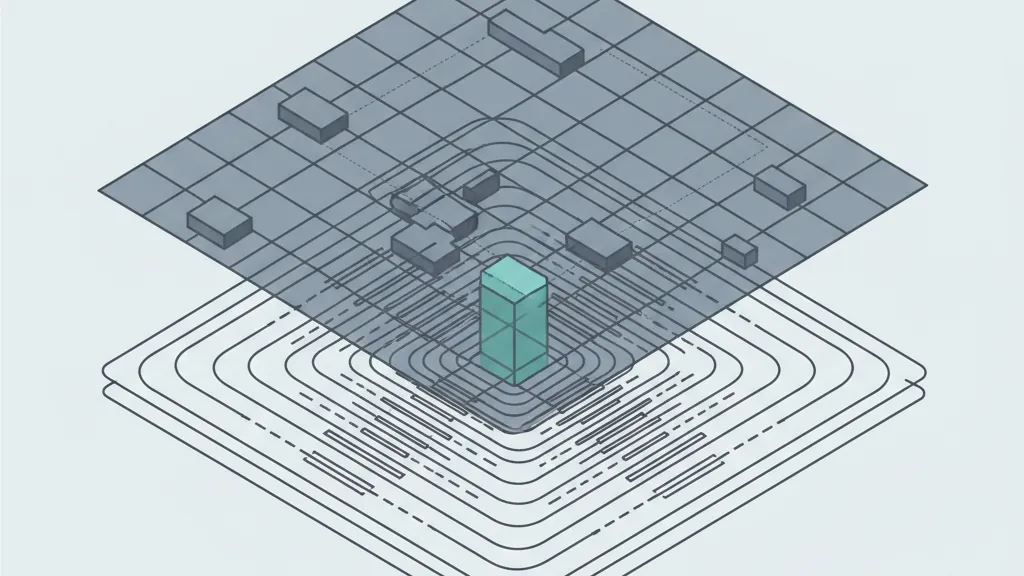
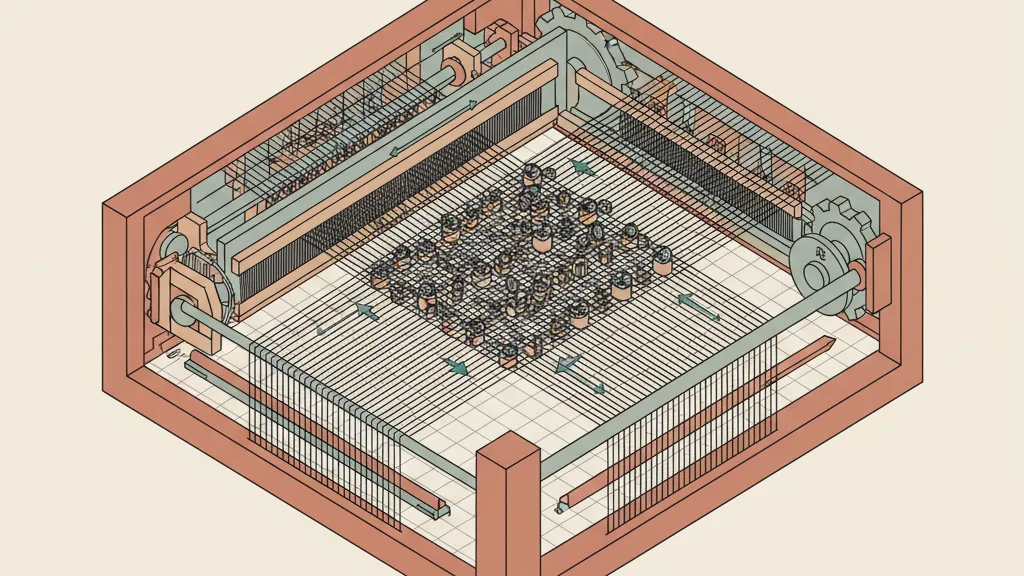
Grid trading is a systematic approach where traders divide a price range into equal segments, placing buy orders at lower levels and sell orders at higher levels. When price moves down, buy orders execute; when it moves up, sell orders trigger. Each completed buy-sell cycle generates profit from the price difference (grid height).
How Grid Trading Works
The strategy operates on a simple principle: capture small profits from multiple trades rather than betting on large directional moves. A trader sets parameters including:
- Upper and lower price boundaries defining the trading range
- Number of grid lines determining order frequency
- Order size for each grid level
- Profit margin between buy and sell orders
Once activated, the bot automatically executes trades whenever prices touch predetermined levels, removing emotional decision-making from the equation.
When to Use Grid Trading
Grid trading excels in sideways markets where cryptocurrencies consolidate within a range. Bitcoin trading between $42,000-$45,000 or Ethereum bouncing in a narrow band represents ideal conditions. However, it struggles during strong trending markets—sustained rallies or crashes can trap capital or trigger unexpected losses.
Optimal conditions include:
- Volatile but range-bound assets
- High-frequency price fluctuations
- Low transaction fees
- Stable liquidity
How to Try on Cryptohopper
Cryptohopper makes grid trading accessible through its intuitive automation platform:
Step 1: Set Your Parameters
Define your price range, number of grids, and investment amount. Cryptohopper's interface guides you through configuration with preset templates for different market conditions.
Step 2: Activate Grid Trading Bot
Choose your trading pair and activate the grid trading strategy. The bot continuously monitors price movements and executes orders automatically according to your specifications.
Step 3: Monitor and Adjust
Track performance through Cryptohopper's dashboard. Adjust parameters based on market conditions—tighten grids during high volatility or expand them during calm periods.
Why It Matters
For Traders
Grid trading generates consistent returns from sideways markets without requiring constant monitoring or perfect market timing skills.
For Investors
Automation through Cryptohopper reduces emotional trading and enables disciplined execution of predefined strategies across multiple assets simultaneously.
For Builders
Grid trading infrastructure demonstrates how algorithmic approaches democratize sophisticated trading techniques, enabling retail participation in previously complex strategies.
Important Disclosure
This article is educational content only and does not constitute investment advice. Grid trading involves risks including potential losses, especially in trending markets. Always conduct thorough research and consider your risk tolerance before implementing any trading strategy. Cryptocurrency markets are volatile and unpredictable.