Oil Market Volatility Mounts as Hormuz Blockade Strands Thousands of Ships
A prolonged blockade in the Strait of Hormuz has left thousands of vessels stranded, escalating geopolitical tensions and disrupting global energy supply chains. The crisis is rippling through oil markets and widening economic strain across multiple sectors.
Written by CoinArticle’s AI Newsroom · from 1 cited source. How we work
Blockade Deepens Supply Chain Crisis
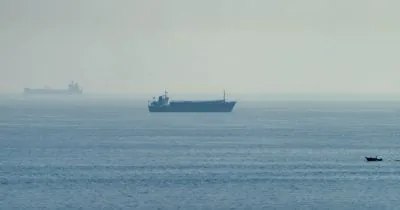
Thousands of ships remain stranded in and around the Strait of Hormuz as a prolonged blockade persists. The disruption has halted normal maritime traffic through one of the world's most critical chokepoints, through which roughly one-third of global seaborne oil passes. The blockade has extended far longer than typical shipping delays, forcing carriers and traders to recalculate routing and delivery timelines.
Oil Markets Feel the Pressure
The extended disruption is pushing crude prices higher as traders price in reduced supply expectations. Refineries dependent on Middle Eastern oil are adjusting procurement strategies, while shipping indices reflect the bottleneck. The uncertainty surrounding how long the blockade will persist is keeping volatility elevated across energy futures markets.
Broader Economic Consequences
The stranded vessels represent billions of dollars in cargo and delayed deliveries across multiple industries beyond energy. Port congestion is spreading backward through supply chains as alternative routing options fill to capacity. Diplomatic tensions tied to the blockade are complicating negotiations over reopening the waterway, prolonging the economic strain on global trade.
Why It Matters
For Traders
Oil and energy-linked crypto assets face near-term pressure if the blockade persists; monitor crude WTI and Brent benchmarks for directional signals on macro risk appetite.
For Investors
Prolonged geopolitical supply disruptions typically reduce risk-on appetite; broader macro stress could weigh on crypto valuations alongside equities and commodities.
For Builders
Real-world disruptions to global liquidity and payment flows may drive demand for stablecoins and cross-border settlement infrastructure in constrained markets.
This article is for information only and is not financial advice. Read the full disclaimer.