Huawei AI Chip Sales Rise as Nvidia Faces China Headwinds
Huawei's artificial intelligence chip sales are growing in China, according to Financial Times reporting, as US export restrictions limit Nvidia's access to the market. The shift reflects deepening tech competition between the US and China amid geopolitical tensions.
Written by CoinArticle’s AI Newsroom · from 1 cited source. How we work
Huawei Gains Ground in Chinese Market
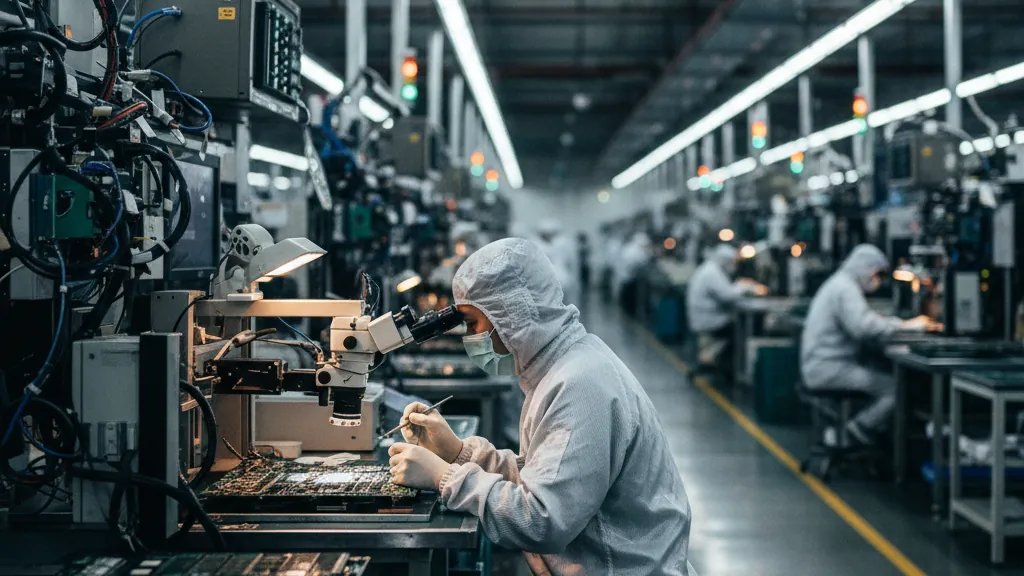
Huawei is increasing its share of AI chip sales within China as domestic demand for computing hardware accelerates. The company has positioned itself as a domestic alternative to foreign vendors, particularly benefiting from US export controls that restrict Nvidia's ability to sell advanced processors to Chinese customers.
Nvidia's Restricted Access
Nvidia has faced escalating US government restrictions on semiconductor exports to China since 2023, limiting the company's ability to sell its highest-performance GPUs in the region. These controls were implemented amid broader US efforts to maintain technological advantage in AI and advanced computing. Huawei and other Chinese chipmakers have filled some of the resulting supply gap, capturing customers who previously relied on Nvidia products.
Broader Context
The shift underscores the fragmentation of global semiconductor markets along geopolitical lines. As US-China tensions intensify over technology leadership, domestic chip development in China has become a strategic priority, with government backing and incentives accelerating adoption of homegrown solutions regardless of performance parity with foreign alternatives.
Why It Matters
For Traders
Nvidia's exposure to China geopolitical risk is already priced into guidance; this reporting does not signal new restrictions but confirms existing market share loss.
For Investors
Persistent US export controls on semiconductors suggest a durable structural headwind for US chip companies' China revenues, with implications for valuations and forward guidance.
For Builders
Builders targeting Chinese customers should plan for longer-term API and model compatibility with Huawei and other domestic accelerators, not just Nvidia CUDA.
This article is for information only and is not financial advice. Read the full disclaimer.