Geopolitical Tensions in Middle East May Weigh on Risk Appetite
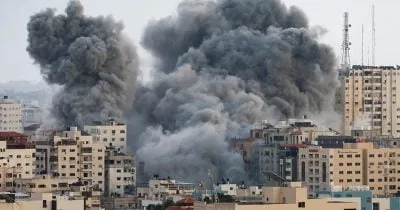
Escalating military conflict between Israel and Hezbollah in Lebanon has intensified regional instability, a dynamic that historically correlates with reduced appetite for risk assets including cryptocurrencies. Markets typically shift toward safe havens during periods of geopolitical friction.
Written by CoinArticle’s AI Newsroom · from 1 cited source. How we work
Geopolitical Risk and Crypto Markets
Hezbollah's drone strikes on Israeli positions in Lebanon mark an escalation in regional tensions that often precedes shifts in global risk sentiment. Historically, geopolitical crises correlate with capital flows away from speculative assets and toward traditional safe havens like US Treasuries and gold, a pattern that has occasionally extended to cryptocurrencies during periods of acute uncertainty.
Historical Precedent
Crypto markets have shown sensitivity to major geopolitical events, though the relationship is not uniform. During the Russia-Ukraine invasion in February 2022, Bitcoin fell sharply in the initial hours before recovering as investors reassessed the conflict's direct impact on US financial systems. Sustained regional conflicts that threaten global supply chains or energy prices have historically produced more persistent downward pressure on equities and riskier assets.
Broader Market Context
The current escalation in the Middle East occurs as central banks maintain elevated interest rates and inflation remains above target levels in many developed economies. If the conflict expands or disrupts energy markets, the resulting price pressures could alter the timeline for rate cuts, which would further compress valuations for non-yielding assets like Bitcoin and Ethereum.
Why It Matters
For Traders
Geopolitical risk premiums can suppress crypto prices short-term; watch Bitcoin correlation with VIX and energy futures for directional cues.
For Investors
Sustained Middle East instability may delay Fed rate cuts and extend the high-rate environment that has historically pressured long-duration crypto valuations.
For Builders
No direct impact on protocol operations, but crypto adoption in conflict-affected regions and stablecoin demand for capital preservation warrant monitoring.
This article is for information only and is not financial advice. Read the full disclaimer.