Hezbollah Drone Attacks Threaten Israel Ceasefire, Markets React
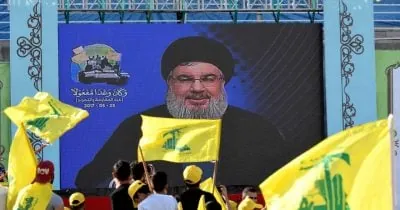
Hezbollah claimed responsibility for drone attacks on Israeli forces, escalating tensions and threatening the fragile ceasefire between the two parties. The military escalation has triggered market volatility, with crude oil prices rising and investors reassessing exposure to regional assets, including cryptocurrency markets.
Written by CoinArticle’s AI Newsroom · from 1 cited source. How we work
Hezbollah Claims Drone Attacks on Israeli Forces, Ceasefire at Risk
Military Escalation Threatens Regional Stability
Hezbollah has claimed responsibility for conducting drone attacks against Israeli military positions, marking a significant escalation in Middle Eastern regional tensions. The militant organization stated that the strikes were carried out in response to previous Israeli operations, signaling a departure from the fragile ceasefire agreement that has been in place between the two parties.
According to military reports, Israeli forces detected and intercepted multiple unmanned aerial vehicles (UAVs) launched from Lebanese territory. However, the very occurrence of these attacks demonstrates the precarious nature of the current truce agreement. Military analysts suggest that such incidents, even when successfully defended against, represent a critical test of the ceasefire's durability and long-term viability.
Ceasefire Framework Under Pressure
The reported drone attacks have raised serious questions about whether the ceasefire agreement can withstand continued military provocations. Officials from both sides have issued statements, with Israeli authorities warning of swift retaliation if attacks continue, while Hezbollah representatives maintain that their operations are defensive in nature.
International observers have expressed concern that the cycle of claim and counter-claim could rapidly deteriorate into broader hostilities. The ceasefire, already characterized as fragile by multiple regional analysts, now faces its most significant test since its establishment.
Geopolitical Tensions Impact Financial Markets
The military developments stemming from these escalations have already begun affecting global financial markets. Crude oil prices have experienced upward pressure amid concerns about potential supply chain disruptions in the Middle East. Market confidence has deteriorated, with investors reassessing their exposure to regional assets and geopolitically sensitive sectors.
Cryptocurrency volatility has increased alongside traditional market movements, as traders evaluate safe-haven asset positioning during periods of elevated geopolitical risk.
Why It Matters for Traders
Cryptocurrency and commodity traders should monitor Middle Eastern developments closely. Historical patterns demonstrate that regional conflicts trigger flights to safe-haven assets, including Bitcoin and precious metals. Increased volatility in both traditional and digital asset markets is likely to continue during this period of elevated geopolitical tension.
Why It Matters for Investors
Portfolio managers holding regional exposure should evaluate their risk management strategies immediately. Geopolitical escalations can create sudden and significant market dislocations. Diversification into uncorrelated assets and reducing concentration risk in affected sectors becomes prudent during periods of elevated tension.
Why It Matters for Builders
Blockchain and cryptocurrency infrastructure developers should monitor how geopolitical tensions affect adoption patterns in conflict-affected regions. Economic uncertainty historically accelerates cryptocurrency adoption as populations seek alternatives to potentially destabilized local currencies and financial systems. Regulatory changes and sanctions risks may emerge as international responses to further escalation.
The coming days will be critical in determining whether diplomatic channels can stabilize the situation or whether regional tensions will continue their upward trajectory.
This article is for information only and is not financial advice. Read the full disclaimer.