Hezbollah Attack Threatens Israeli Ceasefire Stability | Geopolitical Impact
Hezbollah's coordinated drone and missile assault on Israeli troops escalates tensions amid fragile ceasefire negotiations, raising questions about diplomatic progress and regional stability. The attack signals potential breakdown in Middle Eastern peace efforts and threatens broader geopolitical consequences affecting energy markets and global security.
Key Takeaways
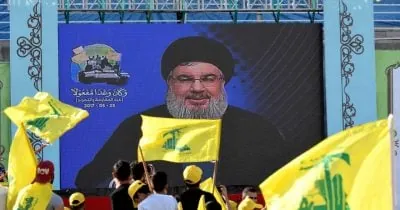
- 1# Hezbollah Drone and Missile Attack Raises Questions Over Israeli Ceasefire Stability ## Attack Details and Context Hezbollah launched a coordinated drone and missile assault targeting Israeli troops, marking a significant escalation that has intensified concerns about the viability of ongoing ceasefire negotiations.
- 2The attack underscores mounting tensions in the region despite diplomatic efforts aimed at de-escalation.
- 3The incident occurs at a critical juncture as international mediators work to establish a sustainable ceasefire agreement.
- 4The apparent disregard for negotiation progress suggests that military factions may be operating independently of diplomatic channels, or that fundamental disagreements remain unresolved between parties involved in peace talks.
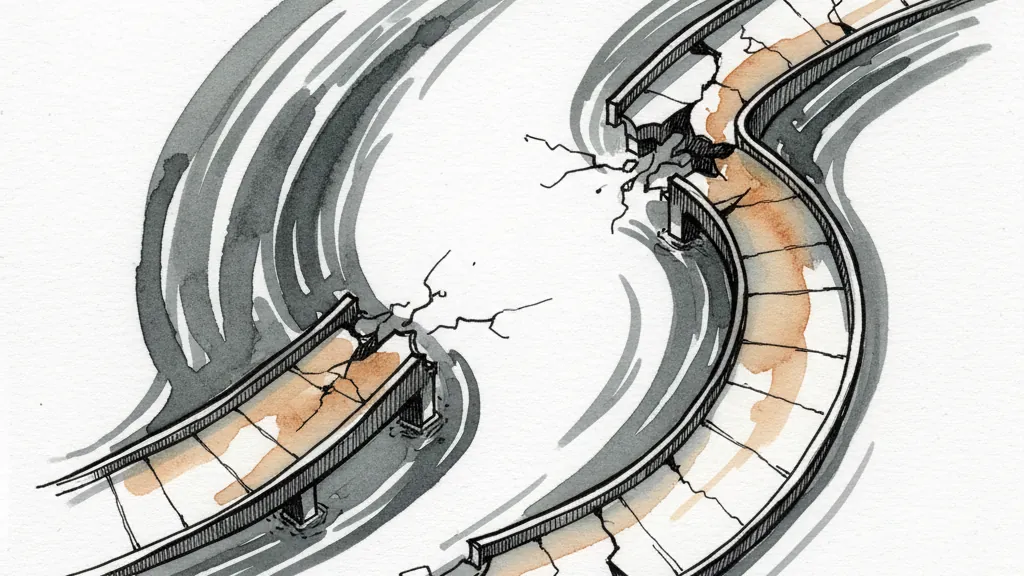
- 5## Ceasefire Fragility and Diplomatic Stalling This escalation highlights the precarious nature of potential ceasefire arrangements in the Middle East.
Hezbollah Drone and Missile Attack Raises Questions Over Israeli Ceasefire Stability
Attack Details and Context
Hezbollah launched a coordinated drone and missile assault targeting Israeli troops, marking a significant escalation that has intensified concerns about the viability of ongoing ceasefire negotiations. The attack underscores mounting tensions in the region despite diplomatic efforts aimed at de-escalation.
The incident occurs at a critical juncture as international mediators work to establish a sustainable ceasefire agreement. The apparent disregard for negotiation progress suggests that military factions may be operating independently of diplomatic channels, or that fundamental disagreements remain unresolved between parties involved in peace talks.
Ceasefire Fragility and Diplomatic Stalling
This escalation highlights the precarious nature of potential ceasefire arrangements in the Middle East. Even as negotiations continue, military actors maintain operational capabilities and demonstrate willingness to exercise them, signaling that formal agreements may remain elusive in the near term.
Multiple rounds of talks have yielded limited tangible progress, with each side presenting conditions the other finds difficult to accept. The timing of Hezbollah's action suggests patience may be wearing thin among militant organizations, potentially indicating that diplomatic processes are stalling or losing credibility with armed factions.
Geopolitical Implications and Regional Risks
This incident reinforces the volatile nature of Middle Eastern geopolitics and the interconnected nature of regional conflicts. The Israeli-Lebanese border remains a critical flashpoint where proxy conflicts and direct military engagement could escalate unpredictably.
International observers note that such attacks can trigger rapid cycles of retaliation, potentially spiraling beyond mediators' capacity to contain. The broader regional context—including ongoing conflicts in Syria, Yemen, and Iraq—creates multiple pressure points where escalation could propagate quickly across borders.
Market Impact and Strategic Considerations
For Traders
Geopolitical uncertainty in the Middle East creates significant volatility in crude oil markets and currency pairs involving regional economies. Monitor closely for potential supply disruption concerns and increased risk premiums in energy futures. Safe-haven assets including gold, silver, and US Treasury bonds typically experience increased demand as risk sentiment deteriorates during periods of regional conflict escalation.
For Investors
Portfolio diversification and reduced exposure to geopolitically sensitive sectors become increasingly important during periods of escalating conflict. Review holdings in defense contractors, energy stocks, and regional financial institutions, considering both immediate risks and longer-term implications for global market stability and geopolitical risk premiums.
For Builders
Infrastructure and development projects in the region face increased uncertainty regarding project timelines, security protocols, and regulatory environments. Reassess project viability, adjust insurance and hedging strategies accordingly, and maintain flexible timelines accounting for potential disruptions. Supply chain considerations for materials sourced from affected regions require careful, ongoing attention and contingency planning.
Conclusion
The current situation demonstrates that despite ongoing diplomatic efforts, military realities on the ground continue to shape outcomes in ways that negotiations alone cannot control. Stakeholders across all sectors should remain vigilant regarding escalation risks and adjust strategies accordingly.
Why It Matters
For Traders
Middle East tensions drive crude oil volatility, currency fluctuations, and safe-haven asset demand, creating trading opportunities and increased risk premiums.
For Investors
Geopolitical escalation impacts portfolio performance across defense, energy, and regional financial sectors, requiring strategic diversification and risk reassessment.
For Builders
Regional infrastructure projects face timeline uncertainty, elevated security risks, and supply chain disruptions necessitating contingency planning and flexible project management.