Israel-Hezbollah Conflict Escalates Amid Failed Cease-Fire Talks
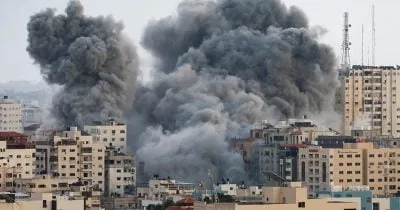
Hostilities between Israel and Hezbollah have intensified despite multiple diplomatic cease-fire attempts, signaling deepening regional instability. The breakdown in peace negotiations raises concerns about broader geopolitical risks affecting cryptocurrency markets and asset valuations.
Written by CoinArticle’s AI Newsroom · from 1 cited source. How we work
Diplomatic Efforts Stall
Israel-Hezbollah hostilities have persisted despite repeated attempts to establish a sustainable cease-fire agreement. The breakdown of diplomatic channels underscores the fragility of peace efforts in the region and diminishes near-term prospects for a lasting resolution.
Regional Instability and Market Implications
Escalating conflict in the Middle East traditionally increases volatility across risk assets, including cryptocurrency. Investors often shift capital toward safe-haven assets during periods of geopolitical tension, a dynamic that has historically influenced Bitcoin and Ethereum price action during similar regional crises.
Broader Risk Landscape
The persistence of hostilities despite negotiations adds to a growing list of geopolitical risk factors monitored by macro-focused traders and investors. Energy prices, currency markets, and risk sentiment remain sensitive to developments in the region, and prolonged conflict could feed into broader inflation concerns that indirectly affect digital asset valuations.
Why It Matters
For Traders
Geopolitical risk spikes historically trigger safe-haven demand; Bitcoin and stablecoins may see inflows if regional tension escalates further over the next 48-72 hours.
For Investors
Prolonged Middle East instability increases macro risk premiums and could sustain elevated volatility, affecting long-duration asset valuations across crypto and traditional markets.
For Builders
Infrastructure teams should stress-test systems for sustained high-volatility periods; demand for non-custodial settlement may rise if regional banking disruptions occur.
This article is for information only and is not financial advice. Read the full disclaimer.