Iran Conflict Clouds Bank of Japan Rate Hike Timing, Nomura Says
A Nomura analyst cited geopolitical tension in Iran as a source of uncertainty for the Bank of Japan's monetary policy decisions. The conflict is said to complicate inflation forecasts and create headwinds for global financial markets.
Written by CoinArticle’s AI Newsroom · from 1 cited source. How we work
Geopolitical Uncertainty Weighs on BOJ Planning
A Nomura analyst noted Tuesday that escalating tensions involving Iran have introduced new variables into the Bank of Japan's rate-setting calculus. The conflict complicates near-term inflation forecasts, making it harder for BOJ policymakers to chart a clear path for rate hikes in the coming months.
Spillover to Global Markets
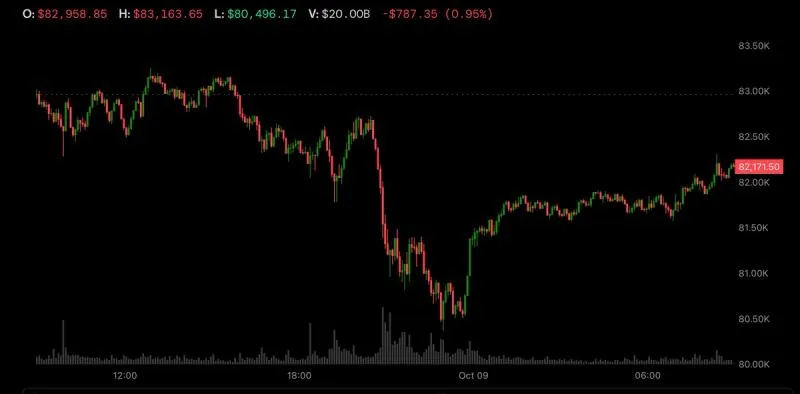
The analyst emphasized that the geopolitical risk extends beyond Japan's borders. Uncertainty around energy prices, supply chains, and risk sentiment in global financial markets could shift capital flows and inflation dynamics in ways that influence the BOJ's decision-making timeline. The exact scope of the conflict's impact on Japanese monetary policy remains unclear, pending further developments.
Why It Matters
For Traders
A delayed or recalibrated BOJ rate path could soften the yen and increase volatility in JPY pairs over the next 1-3 months.
For Investors
Persistent BOJ policy uncertainty may reduce carry-trade unwinding pressure, keeping crypto-correlated assets sensitive to macro shifts longer than expected.
For Builders
Prolonged global macro volatility could dampen institutional capital flows into crypto infrastructure and protocol tokens dependent on risk-on sentiment.
This article is for information only and is not financial advice. Read the full disclaimer.