Iran Accepts Crypto Payments for Weapons: Implications and Challenges
Iran's controversial move to accept cryptocurrency for weapons raises significant questions about its effectiveness in evading international sanctions. Despite the appeal of anonymity, regulatory and economic hurdles may hinder this strategy's success.
Written by CoinArticle’s AI Newsroom · from 1 cited source. How we work
Iran Accepting Crypto Payments for Weapons—But This May Not Help It Evade Sanctions
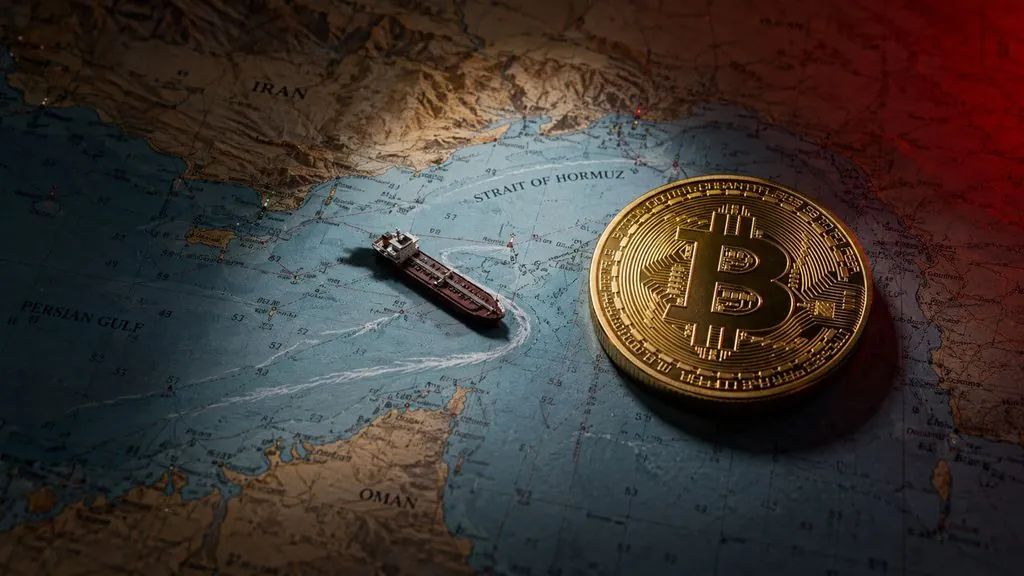
In a controversial development, Iran has started accepting cryptocurrency payments for weapons, causing a stir on the global stage. The Iranian government has confirmed that transactions can be processed via its Mindex website, which offers various military equipment for direct purchase. The FAQ section of the Mindex site explicitly indicates that buyers can opt to pay in cryptocurrency, potentially revolutionizing the arms trade in the region.
As countries navigate the complexities of international sanctions, cryptocurrencies present an attractive option due to their promise of anonymity and decentralized transactions. However, experts caution that this new payment method may not deliver the relief Iran seeks in circumventing sanctions.
The Context of Sanctions
Iran has faced a myriad of international sanctions, particularly from the United States, stemming from its nuclear program and various military actions. These restrictions have severely limited the country’s ability to engage in conventional trade, especially in the arms sector. By accepting cryptocurrencies for military transactions, Iran is perhaps trying to strategically bypass these constraints. The decentralized nature of cryptocurrencies offers the allure of anonymity, enticing both buyers and sellers who wish to operate outside traditional banking systems.
Challenges Ahead
Despite the potential advantages, using cryptocurrency as a payment method for weapons may not be as straightforward as Iran anticipates. The decentralized nature of cryptocurrencies does not insulate transactions from scrutiny, particularly as international regulatory frameworks around digital assets become more stringent. Financial institutions and exchanges bear considerable risks and penalties for facilitating transactions with sanctioned entities. Moreover, the inherent volatility of cryptocurrencies could deter potential buyers who may be hesitant to engage in unstable payment methods for high-value items like military equipment.
Why It Matters
For Traders
While the crypto market is buzzing with new opportunities, traders should approach this news with caution. Regulatory responses from the international community could lead to sudden shifts in the crypto landscape, impacting market dynamics and liquidity.
For Investors
Investors in cryptocurrencies need to stay vigilant and aware of how geopolitical events can influence market sentiment. The implication of using crypto for arms trading may have broader repercussions on market acceptance of digital assets while simultaneously posing reputational risks.
For Builders
For builders in the crypto space, Iran's acceptance of cryptocurrency for weapons underscores the urgent need for more robust solutions that address compliance and regulatory challenges. Creating platforms that facilitate secure, compliant transactions while upholding the core tenets of decentralization could not only shield businesses from sanctions but also promote best practices for future digital commerce.
In summary, while Iran's acceptance of cryptocurrency for arms may initially appear as an innovative workaround to existing sanctions, significant economic and regulatory hurdles loom large, suggesting that this strategy may not yield the intended outcomes for the Iranian regime.
This article is for information only and is not financial advice. Read the full disclaimer.