Iran Accepts Cryptocurrency for Advanced Military Hardware Amid Sanctions
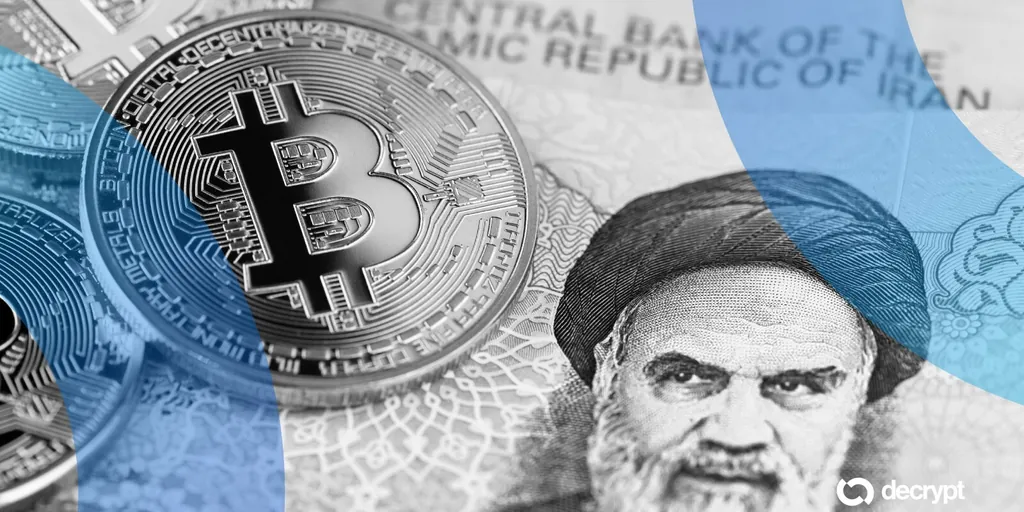
Iran has announced it will accept cryptocurrency as payment for advanced military equipment, including missiles, tanks, and drones. This move highlights how sanctioned nations are leveraging digital currencies to bypass traditional financial restrictions, raising geopolitical and regulatory concerns.
Written by CoinArticle’s AI Newsroom · from 2 cited sources. How we work
Key Takeaways
- 1**Missiles**: Reflecting Iran's advanced ballistic and cruise missile capabilities, which have been a focal point of regional and global security concerns.
- 2**Tanks**: Indicating the availability of armored vehicles and ground warfare systems.
- 3**Drones**: Highlighting Iran's growing expertise in unmanned aerial vehicles (UAVs), which have gained international attention in recent years.
- 4**Geopolitical Impact**: Iran's move demonstrates how nations under heavy sanctions are adapting to financial isolation by adopting cryptocurrency. This could set a precedent for other sanctioned states seeking alternative payment mechanisms for international trade.
- 5**Cryptocurrency Industry Concerns**: The announcement underscores ongoing fears about digital currencies being used to circumvent sanctions and facilitate transactions that would otherwise be blocked. This could prompt intensified regulatory scrutiny of cryptocurrency exchanges and platforms, particularly around know-your-customer (KYC) and anti-money laundering (AML) compliance.
Iran Accepts Cryptocurrency for Advanced Military Hardware Amid Sanctions
In a groundbreaking move at the intersection of digital finance and international arms trade, Iran has officially announced it will accept cryptocurrency as payment for advanced military equipment. The announcement, made through a government website and corroborated by multiple sources including CoinDesk and BITRSS, signals a significant shift in how sanctioned nations are leveraging digital currencies to bypass traditional financial restrictions.
What We Know
Iran is now offering a range of sophisticated military hardware for purchase using cryptocurrency. According to reports, the inventory includes ballistic missiles, armored tanks, and drones, underscoring the breadth of its military capabilities. This policy shift was formally disclosed on an official government platform, adding credibility to the development.
The decision to embrace cryptocurrency appears to be a strategic response to Iran's financial isolation due to extensive international sanctions. These sanctions have severely restricted Iran's access to conventional global banking systems, making digital currencies an attractive alternative for conducting international transactions.
Key Details
The types of military equipment available for cryptocurrency purchases span critical categories:
- Missiles: Reflecting Iran's advanced ballistic and cruise missile capabilities, which have been a focal point of regional and global security concerns.
- Tanks: Indicating the availability of armored vehicles and ground warfare systems.
- Drones: Highlighting Iran's growing expertise in unmanned aerial vehicles (UAVs), which have gained international attention in recent years.
By accepting cryptocurrency, Iran potentially circumvents traditional financial tracking mechanisms. While cryptocurrency transactions are recorded on public blockchains, they offer greater anonymity regarding the identities of the transacting parties compared to conventional banking methods like wire transfers or letters of credit. This could make it more challenging for international regulators to monitor and interdict arms transactions.
Why This Matters
This development carries wide-ranging implications:
Geopolitical Impact: Iran's move demonstrates how nations under heavy sanctions are adapting to financial isolation by adopting cryptocurrency. This could set a precedent for other sanctioned states seeking alternative payment mechanisms for international trade.
Cryptocurrency Industry Concerns: The announcement underscores ongoing fears about digital currencies being used to circumvent sanctions and facilitate transactions that would otherwise be blocked. This could prompt intensified regulatory scrutiny of cryptocurrency exchanges and platforms, particularly around know-your-customer (KYC) and anti-money laundering (AML) compliance.
Security Risks: The use of cryptocurrency for arms transactions could complicate global non-proliferation efforts. Traditional financial monitoring has been a key tool for tracking weapons transfers; the pseudonymous nature of cryptocurrency transactions may reduce visibility into such activities.
The announcement also raises operational questions, such as which cryptocurrencies Iran will accept, how transactions will be processed, and what measures, if any, will be implemented to verify the legitimacy of purchasers. These details will likely determine the effectiveness of this payment channel and whether it attracts significant international buyers for Iranian military equipment.
Looking Ahead
As this story unfolds, the international community will be closely monitoring reactions from global regulators, cryptocurrency platforms, and other nations facing similar financial restrictions. The broader implications for global security, cryptocurrency regulation, and international trade remain to be seen.
Key entities: Iran, cryptocurrency, missiles, tanks, drones
Sentiment: Neutral
This article is for information only and is not financial advice. Read the full disclaimer.