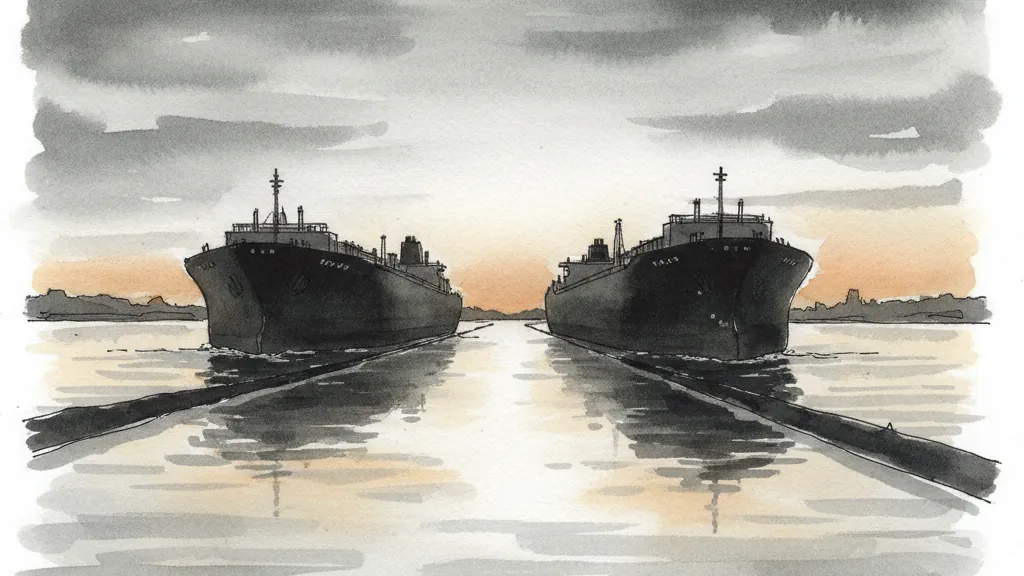
Iran's Hormuz Stance May Fuel Oil Price Volatility, Pressuring Risk Assets
Iran declared the Strait of Hormuz non-negotiable amid escalating US tensions, raising the risk of supply disruptions in a strait through which roughly 20% of global oil passes. Oil price swings typically correlate with crypto volatility, particularly in macro risk-off environments.
Written by CoinArticle’s AI Newsroom · from 1 cited source. How we work
Geopolitical Flashpoint
Iran reiterated its position that the Strait of Hormuz—a waterway through which approximately one-fifth of global seaborne oil transits—is not subject to compromise in negotiations with the United States. The declaration follows renewed diplomatic strain between the two countries and signals hardened positions on both sides, according to regional reporting.
Market Implications
Historically, geopolitical tensions that threaten energy supply corridors have driven crude oil futures higher, which in turn tends to correlate with broad financial market stress and crypto selloffs. A significant disruption to Hormuz traffic could push oil prices above $100 per barrel, a level that has preceded periods of equity and crypto sector drawdowns in recent years. Bitcoin and Ethereum have shown negative correlation to energy shocks in multiple cycles, as traders reassess risk appetite amid inflation and recession signals.
Why It Matters
For Traders
Risk-off sentiment from oil supply concerns often precedes crypto liquidations; watch oil futures and VIX for early signals of broader macro stress.
For Investors
Sustained geopolitical risk and higher energy costs raise stagflation concerns, which historically reduce appetite for alternative assets and pressure crypto market valuations.
For Builders
Protocol teams reliant on long-dated venture or institutional capital may face tighter financing if macro turmoil dampens risk appetite in capital markets.
This article is for information only and is not financial advice. Read the full disclaimer.