Strait of Hormuz Closure Redirects Trade, Raises Shipping Costs Globally
Closure of the Strait of Hormuz has forced shipping to reroute through the Panama Canal, driving up transportation costs and adding pressure to already-elevated global trade expenses. The disruption may contribute to broader inflationary pressures affecting cryptocurrency and equity markets.
Written by CoinArticle’s AI Newsroom · from 1 cited source. How we work
Route Diversion and Cost Impact
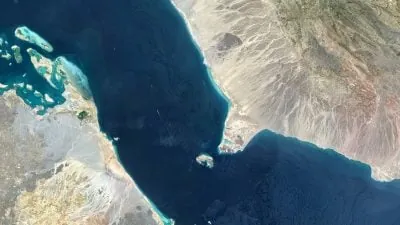
The Strait of Hormuz closure has forced maritime traffic to redirect through the Panama Canal, a longer route that increases shipping times and costs. This rerouting affects a critical global trade artery; the Strait normally handles roughly one-third of seaborne crude oil and liquefied natural gas shipments. Higher Panama Canal transit fees and extended voyage durations compound transportation expenses for goods moving between Asia, Europe, and the Americas.
Inflationary Pressure and Oil Markets
Elevated shipping costs typically translate into higher input expenses for manufacturers and retailers, feeding broader inflationary dynamics. The disruption coincides with already-volatile oil prices; crude has historically spiked when choke-point trade routes face disruption. Rising energy and transportation costs can increase demand for inflation hedges, including commodities and certain digital assets, while also pressuring equities and risk appetite more broadly.
Macro Spillovers for Markets
Trade friction and rising logistics costs have historically created periods of market volatility and flight-to-safety demand. For cryptocurrency markets, which are sensitive to macro sentiment and risk appetite, renewed inflation concerns and geopolitical trade disruption may influence short-term positioning.
Why It Matters
For Traders
Higher commodity and energy costs from trade disruption can trigger volatility in equity markets and shift short-term risk sentiment, affecting crypto correlations.
For Investors
Persistent shipping cost increases may sustain inflation expectations, which influences real yields and macro asset allocation including Bitcoin's relative valuation.
For Builders
Supply-chain inflation driven by trade route disruption increases operational costs for crypto infrastructure providers and may delay ecosystem expansion in price-sensitive regions.
This article is for information only and is not financial advice. Read the full disclaimer.