Pakistan Tanker Exits Strait of Hormuz as US-Iran Tensions Ease
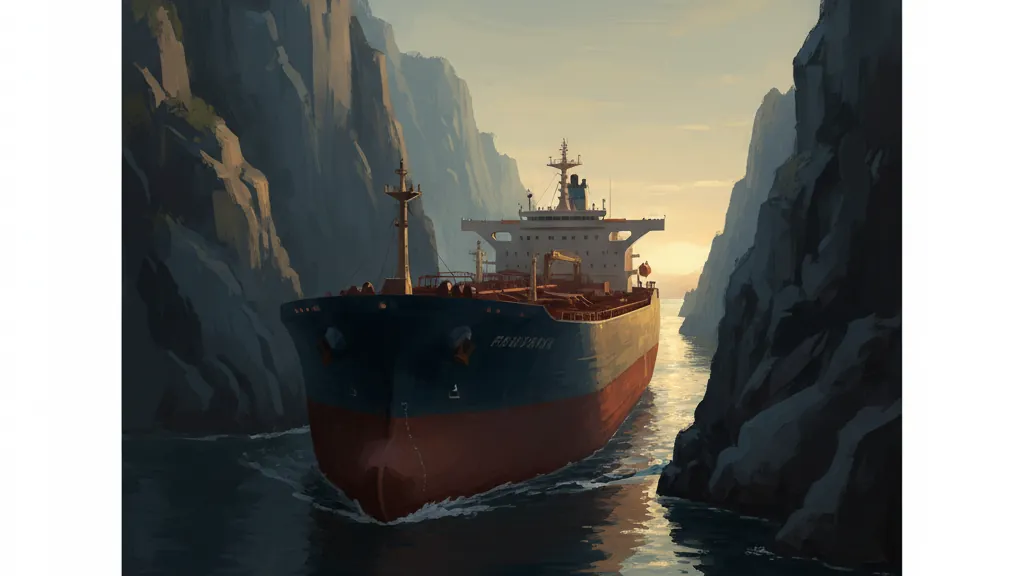
A Pakistani oil tanker has departed the Strait of Hormuz amid signs of de-escalation between the U.S. and Iran. The move signals potential relief in regional tensions that have weighed on energy markets and cryptocurrency volatility.
Written by CoinArticle’s AI Newsroom · from 1 cited source. How we work
Regional Tensions Show Signs of Easing
A Pakistani oil tanker has exited the Strait of Hormuz as diplomatic pressure between the United States and Iran shows preliminary signs of cooling. The departure follows weeks of heightened regional tensions that have affected global energy markets and contributed to broader macroeconomic uncertainty.
Implications for Energy and Asset Markets
Easing tensions in one of the world's most critical chokepoints for oil shipments may reduce near-term geopolitical risk premiums embedded in energy prices. A more stable regional environment could lower volatility in crude markets, which historically correlates with cryptocurrency price swings during periods of macroeconomic stress.
Uncertainties Remain in Ongoing Talks
While the tanker's departure suggests a de-escalatory trend, ongoing negotiations between the parties still carry significant uncertainties that could reverse course. Market participants remain cautious about sustained regional stability, as diplomatic talks often face setbacks.
Why It Matters
For Traders
Reduced geopolitical risk premiums in oil markets may lower macro volatility that typically spills into crypto assets over the next 1-2 weeks.
For Investors
Sustained easing of US-Iran tensions could dampen safe-haven flows and reduce correlation between crypto and traditional risk-off assets longer term.
For Builders
Lower macroeconomic turbulence may reduce demand for crypto as an inflation or currency-debasement hedge, affecting user acquisition narratives for DeFi protocols.
This article is for information only and is not financial advice. Read the full disclaimer.