Rubio's Strait of Hormuz Remarks Signal Geopolitical Risk for Oil-Backed Assets
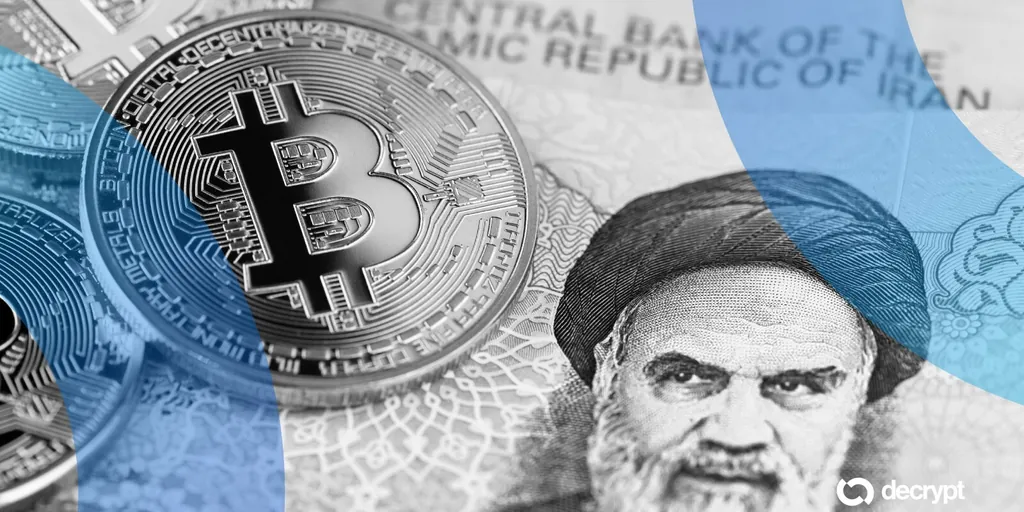
U.S. Secretary of State Marco Rubio characterized the Strait of Hormuz as an economic weapon amid escalating Iran tensions, signaling potential disruptions to global oil supply. The remarks underline geopolitical risks that typically drive macro volatility across commodities and risk assets including cryptocurrencies.
Written by CoinArticle’s AI Newsroom · from 1 cited source. How we work
Rubio's Strategic Assessment
U.S. Secretary of State Marco Rubio described the Strait of Hormuz as an "economic nuclear weapon" during remarks on Iran policy, reflecting heightened concerns about potential supply chain disruptions. The Strait, through which approximately 21% of global seaborne crude oil transits, remains a critical chokepoint in international energy markets. Rubio's language suggests the administration views the waterway as a flashpoint where geopolitical friction could translate into economic damage.
Macro Implications for Risk Markets
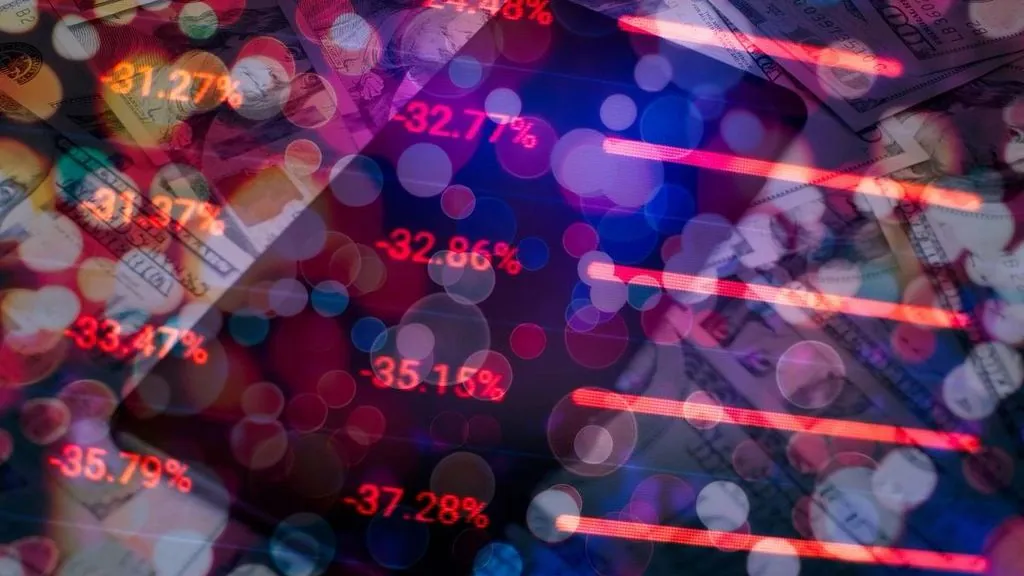
U.S.-Iran tensions have historically triggered commodity price spikes and flight-to-safety moves in equities and digital assets. Oil price volatility tends to correlate with broader macro uncertainty, which can suppress risk appetite across cryptocurrencies. Bitcoin and other crypto assets have shown inverse correlation to unexpected oil shocks during periods of geopolitical stress, as traders reposition portfolios toward perceived safe havens.
Context and Ongoing Dynamics
Rubio's remarks underscore persistent diplomatic strain between Washington and Tehran. Prolonged instability in the Middle East has historically created macroeconomic headwinds—stagflation risk, currency weakness, and equity market drawdowns—that indirectly pressure speculative assets including cryptocurrencies. Observers tracking macro indicators and geopolitical risk premia should monitor oil futures, USD strength, and equity volatility indices for signals of escalation.
Why It Matters
For Traders
Geopolitical risk premiums in oil markets may drive intraday volatility in crypto correlations; monitor WTI crude and VIX for tactical entry/exit signals.
For Investors
Prolonged U.S.-Iran tension increases macro uncertainty and stagflation risk, factors that historically compress crypto valuations during risk-off periods.
For Builders
Cross-chain bridges and infrastructure dependent on stable macro conditions should stress-test for sustained periods of elevated volatility and potential liquidity drains.
This article is for information only and is not financial advice. Read the full disclaimer.