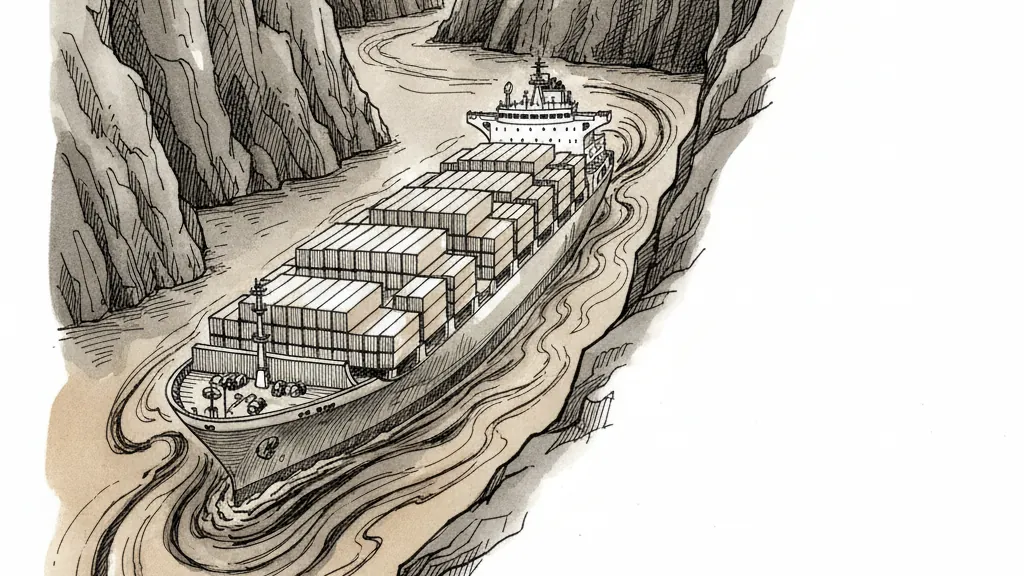
Iran's Hormuz Strait Control Raises Geopolitical Risk for Crypto Markets
Iran's assertion of control over the Hormuz Strait has prompted global shipping reroutes, signaling prolonged regional instability. The disruption to international trade flows could amplify macro volatility and correlate with cryptocurrency price movements tied to risk sentiment.
Written by CoinArticle’s AI Newsroom · from 1 cited source. How we work
Shipping Disruption and Trade Implications
Iran's actions in the Hormuz Strait have forced significant rerouting of global shipping traffic, one of the world's most critical maritime chokepoints. Through which approximately one-third of all seaborne traded oil passes, the strait's closure or disruption historically triggers inflationary pressures and geopolitical risk premiums across asset markets. The rerouting adds time and cost to transit, extending supply chains and raising input costs for energy-dependent sectors worldwide.
Macro Spillover to Risk Assets
Prolonged regional instability in the Middle East traditionally correlates with increased demand for defensive assets and reduced risk appetite. Cryptocurrency markets, often treated as risk-on assets alongside equities, have historically pulled back during periods of geopolitical tension that elevate oil prices and inflation expectations. The uncertainty around shipping timelines and energy costs may weigh on sentiment toward volatile asset classes over the coming weeks.
Historical Precedent
Previous Hormuz Strait tensions in 2019 coincided with Bitcoin trading in a range and elevated correlation with equity volatility. The present shipping reroute, if sustained, could extend this period of macro-driven price discovery rather than idiosyncratic crypto narrative shifts.
Why It Matters
For Traders
Geopolitical risk premiums typically raise oil and equity volatility, which historically precedes crypto selloffs; monitor macro sentiment shifts over the next 48-72 hours.
For Investors
Prolonged Middle East instability and trade disruption could trigger a risk-off environment that pressures correlations between crypto and equities higher, reducing portfolio diversification.
For Builders
Protocol teams exposed to traditional finance partnerships or revenue tied to stable macroeconomic conditions may face headwinds if regional tension extends.
This article is for information only and is not financial advice. Read the full disclaimer.