Iran Exports 4.6M Barrels Oil, Evades US Sanctions
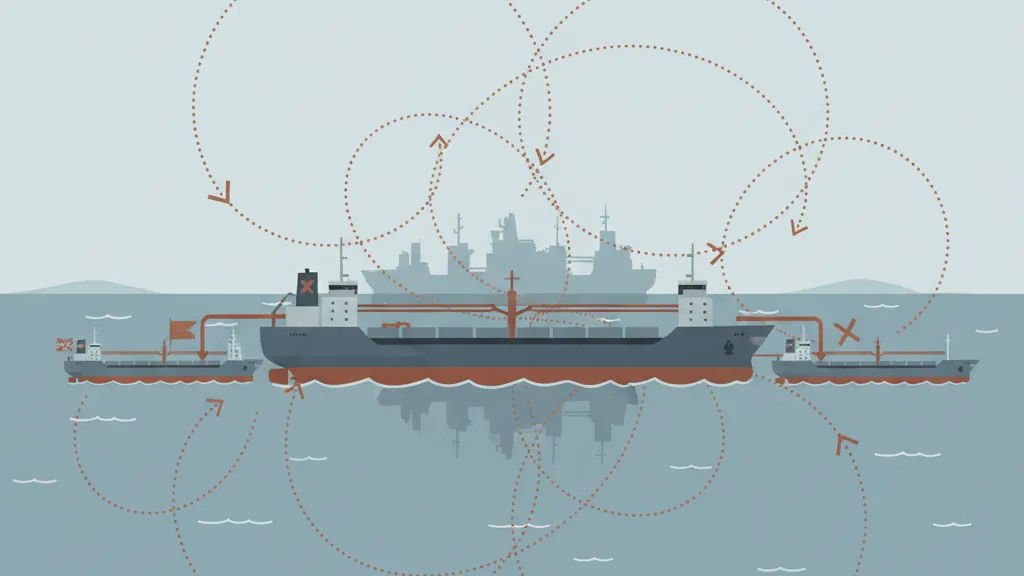
Iran successfully exported 4.6 million barrels of oil using vessel-to-vessel transfers and flag changes to circumvent US sanctions since 2018. The shipments demonstrate Tehran's resilience while adding liquidity to global markets, though geopolitical tensions pose significant risks to crude price stability.
Key Takeaways
- 1# Iran Exports 4.
- 26M Barrels of Oil, Bypassing US Sanctions ## How Iran Continues Oil Exports Despite US Sanctions Iran has successfully exported 4.
- 36 million barrels of crude oil, maintaining its pattern of circumventing strict US economic sanctions through sophisticated alternative trade routes and informal networks.
- 4The shipments underscore Tehran's persistent ability to sustain petroleum sales despite Washington's maximum pressure campaign, continuously enforced since 2018.
- 5Intelligence reports confirm Iranian oil reaches international markets through vessel-to-vessel transfers, strategic flag changes, and direct sales to willing buyers across Asia and other regions.
Iran Exports 4.6M Barrels of Oil, Bypassing US Sanctions
How Iran Continues Oil Exports Despite US Sanctions
Iran has successfully exported 4.6 million barrels of crude oil, maintaining its pattern of circumventing strict US economic sanctions through sophisticated alternative trade routes and informal networks. The shipments underscore Tehran's persistent ability to sustain petroleum sales despite Washington's maximum pressure campaign, continuously enforced since 2018.
Intelligence reports confirm Iranian oil reaches international markets through vessel-to-vessel transfers, strategic flag changes, and direct sales to willing buyers across Asia and other regions. These proven methods effectively evade traditional tracking mechanisms and maritime surveillance, allowing Iran to preserve a critical revenue stream during extended periods of heightened geopolitical tension.
Global Oil Market Impacts and Price Stability
Continued Iranian crude exports influence global oil supply dynamics, potentially providing stabilizing effects on volatile crude prices. As traditional producers carefully manage production levels amid geopolitical uncertainty, Iran's additional barrels inject liquidity into international energy markets.
Market analysts suggest these exports help prevent potential price spikes that could result from supply disruptions or market uncertainty. However, this stabilizing influence remains precarious—any escalation in US-Iran relations or enhanced enforcement actions could rapidly reverse current market conditions and trigger significant price volatility.
Geopolitical Escalation Risks to Energy Markets
The successful sanctions bypass highlights persistent tensions between Washington and Tehran. While current conditions permit oil to flow, underlying volatility remains high. Potential US responses include stricter enforcement measures, secondary sanctions targeting trading partners, or military intervention that would fundamentally destabilize the region.
Geopolitical experts warn that escalation through increased US enforcement, Israeli military operations, or Iranian retaliation could severely disrupt oil supplies and create substantial crude price volatility affecting global energy markets.
Why This Matters
For Oil Traders
Iranian export data presents both opportunities and risks for crude traders. Stable oil supplies support price floor formation, while underlying geopolitical uncertainty creates volatility catalysts. Monitor US-Iran relations developments, shipping intelligence updates, and secondary sanctions announcements for potential crude futures inflection points.
For Energy Investors
Energy sector investors navigate a complex landscape where Iranian exports could pressure traditional producer margins long-term, while geopolitical escalation could support oil prices. Implement portfolio hedging strategies accounting for elevated oil price volatility and potential sudden supply disruptions.
For Blockchain Builders
Blockchain and cryptocurrency platforms focused on energy trading or sanctions-compliant transactions may see increased demand. Decentralized finance solutions facilitating cross-border payments outside traditional banking channels could gain traction as alternatives to conventional trade finance mechanisms.
Key Entities: Iran, United States
Categories: Markets, Energy, Geopolitics
Why It Matters
For Traders
Monitor Iran exports, US-Iran tensions, and shipping data as crude price catalysts for volatility trading opportunities.
For Investors
Balance long-term producer margin pressure against potential oil price support from geopolitical escalation risks.
For Builders
DeFi solutions enabling sanctions-compliant cross-border energy payments face growing demand from alternative trade finance.