Iran Oil Shipments Through Strait of Hormuz Continue Amid US Tensions
Iranian tankers transited the Strait of Hormuz without disruption this week, signaling a potential easing of immediate blockade risk in one of the world's most critical oil chokepoints. The development may reduce geopolitical premium in crude prices and stabilize energy markets in the near term.
Written by CoinArticle’s AI Newsroom · from 1 cited source. How we work
Transit Continues Without Incident
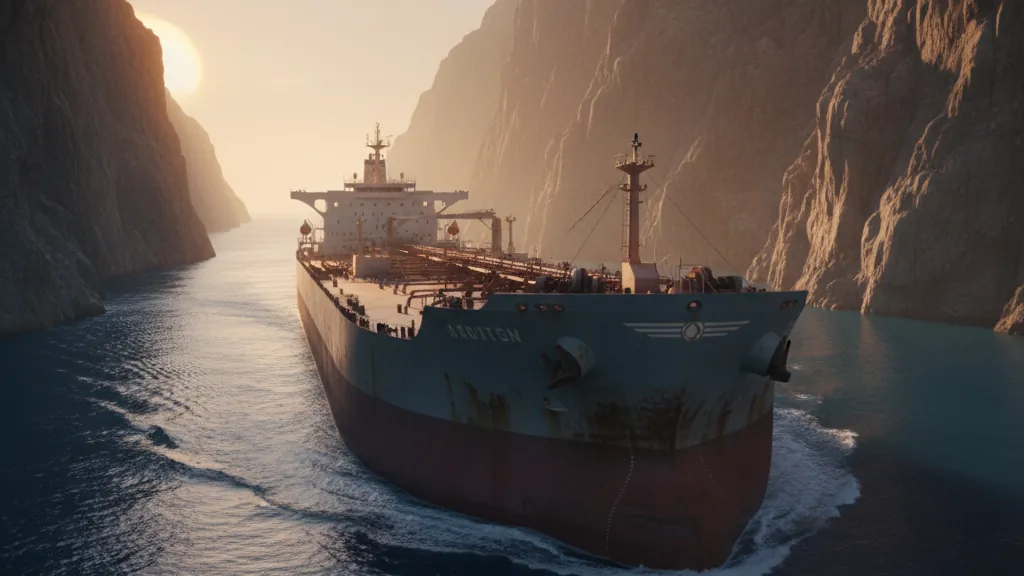
Iranian oil tankers moved through the Strait of Hormuz without reported interference or delays, according to vessel tracking data. The passage follows weeks of elevated tensions between Iran and the United States over regional proxy conflicts and sanctions enforcement. Hormuz, which sits between Iran and Oman, handles roughly 20-25% of global seaborne oil trade, making even temporary transit disruptions a material risk to crude supplies.
Implications for Energy Markets
Uninterrupted Iranian shipments reduce the immediate geopolitical risk premium embedded in crude futures. If transits remain unimpeded, oil prices may face downward pressure from the removal of supply-shock risk, though macroeconomic factors and OPEC production decisions remain the primary drivers of crude direction. Analysts noted that sustainable Iranian export flows would increase global oil liquidity and potentially moderate price volatility over the coming weeks.
Broader Context
The Strait of Hormuz has been a flashpoint for US-Iran tensions multiple times over the past five years, with previous incidents including Iranian drone attacks on tankers and US military posturing. Each transit disruption has historically triggered sharp rallies in crude and energy equities. A return to stable passage would suggest the current phase of geopolitical brinkmanship has not escalated to the level of direct action against shipping lanes.
Why It Matters
For Traders
Stable Iranian oil transit reduces geopolitical risk premium in crude; watch energy futures and inverse energy ETPs for pullback opportunity if tensions ease further.
For Investors
Sustained Hormuz transit easing signals lower tail risk in macro volatility, reducing hedging costs for portfolios with energy or emerging-market exposure.
For Builders
Decentralized energy trading platforms and oracle-dependent DeFi products tracking crude price stability benefit from reduced geopolitical volatility in underlying markets.
This article is for information only and is not financial advice. Read the full disclaimer.