Iran's Power Consolidation Amid 2026 Leadership Uncertainty Raises Regional Tensions
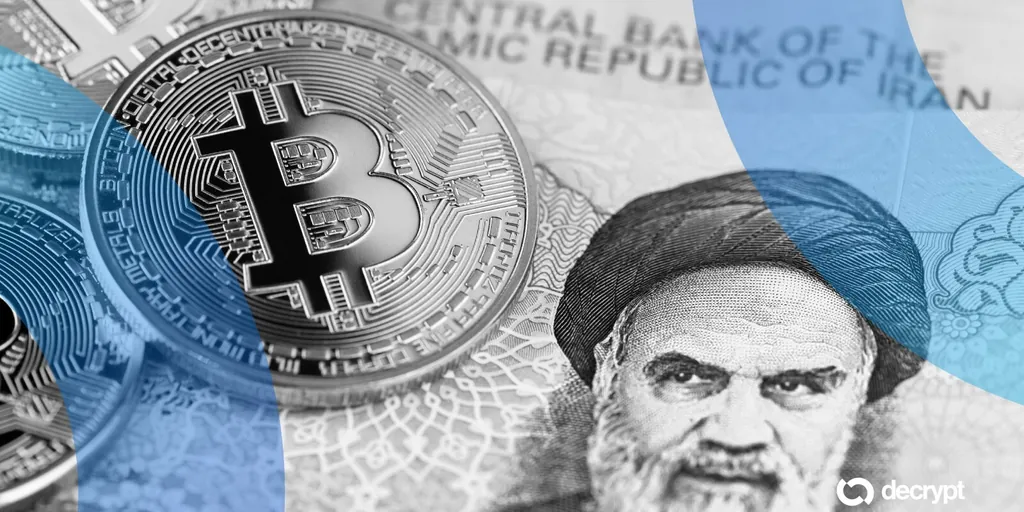
Iran's Islamic Revolutionary Guard Corps is consolidating power as the country faces leadership uncertainty heading into 2026. The geopolitical shift may heighten regional tensions and create volatility in cryptocurrency and energy markets.
Written by CoinArticle’s AI Newsroom · from 1 cited source. How we work
Regional Power Dynamics Shift
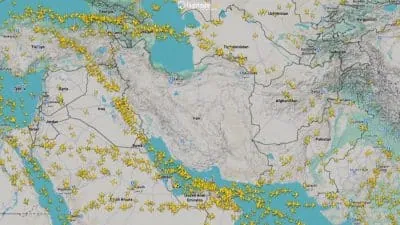
Iran's Islamic Revolutionary Guard Corps is consolidating authority amid uncertainty over the country's 2026 leadership transition. The IRGC's increased political assertiveness has prompted warnings directed at the United States, signaling heightened tensions in a region already marked by diplomatic friction and military posturing.
Market and Diplomatic Implications
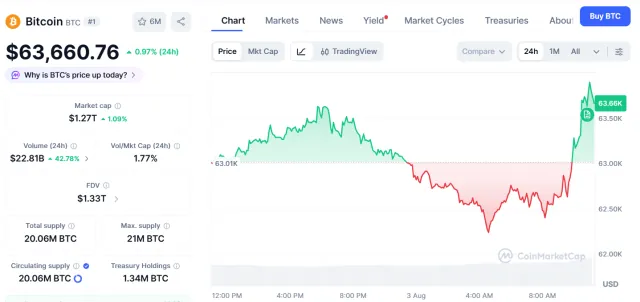
Heightened regional tensions typically increase volatility across energy markets, geopolitical risk premiums, and broader macro sentiment that affects risk-on assets including cryptocurrencies. Periods of Middle Eastern instability have historically correlated with flight-to-safety behavior in financial markets, as traders reduce exposure to volatile assets and seek stable-value instruments.
Uncertainty Ahead
The 2026 leadership transition in Iran introduces a window of political uncertainty that could affect the country's foreign policy stance and regional engagement. Cryptocurrency markets remain sensitive to macro shocks and geopolitical risk; investors typically monitor such developments for signs of broader market dislocation or capital flow shifts.
Why It Matters
For Traders
Regional geopolitical risk premiums may compress or expand risk-on positioning in crypto markets over the next 24-72 hours as news flow evolves.
For Investors
Sustained Middle Eastern tension typically correlates with macro volatility and flight-to-safety rotations that can depress or boost crypto valuations depending on broader sentiment.
For Builders
Geopolitical instability can affect capital flows, sanction regimes, and regulatory sentiment globally, indirectly influencing access to services and market liquidity.
This article is for information only and is not financial advice. Read the full disclaimer.