Geopolitical Tensions in Middle East Raise Questions for Crypto Markets
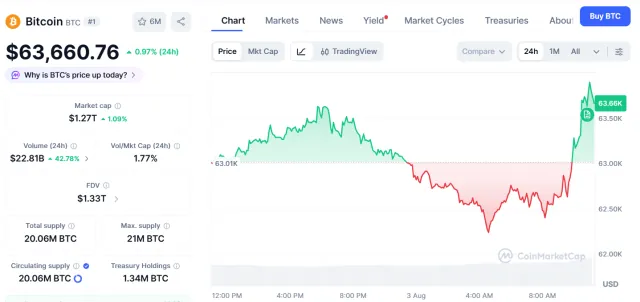
The Red Cross warned of renewed Iran attacks as regional airspace closures threaten diplomatic efforts and regional stability. Geopolitical disruptions of this scale historically create volatility in cryptocurrency markets linked to macro risk sentiment.
Written by CoinArticle’s AI Newsroom · from 1 cited source. How we work
Regional Tensions Escalate
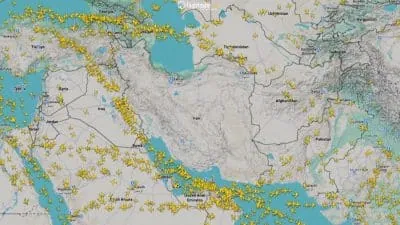
The Red Cross issued a warning Tuesday of renewed Iranian attacks amid concerns over airspace closures in the Middle East. The escalation comes as diplomatic channels face heightened strain, with potential flight restrictions threatening to isolate key regional hubs and disrupt commercial activity.
Implications for Global Markets
Regional airspace closures and diplomatic disruptions historically correlate with shifts in risk-on sentiment across global asset classes. Cryptocurrency markets, which often move inversely to traditional safe-haven flows during geopolitical crises, have shown sensitivity to Middle East tensions in the past. Sustained instability could redirect capital toward perceived low-risk assets, potentially creating headwinds for riskier cryptocurrencies and growth-stage tokens.
Broader Context
The situation underscores how geopolitical events outside the crypto sector can materially influence market structure and investor positioning. Traders and portfolio managers monitoring macro risk will likely factor escalating Iran tensions into their asset allocation decisions over the coming days, though the direct connection to cryptocurrency fundamentals remains indirect.
Why It Matters
For Traders
Risk-off sentiment from Middle East escalation could drive capital flows away from high-beta crypto assets toward stablecoins and Bitcoin as a hedge.
For Investors
Sustained geopolitical instability may constrain crypto adoption in affected regions and redirect institutional attention to macroeconomic hedges over emerging assets.
For Builders
Infrastructure teams in or near conflict zones should assess operational continuity plans; regional node distribution may face real-world disruption from airspace closures.
This article is for information only and is not financial advice. Read the full disclaimer.