Iran's Military Posture Shift May Ease Geopolitical Risk Premium on Crypto Assets
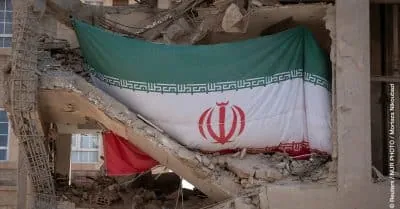
Iran characterized recent military strikes on US bases as self-defense actions, a rhetorical shift that may reduce near-term escalation fears in the Middle East. The framing could ease geopolitical risk premiums that have historically influenced cryptocurrency volatility.
Written by CoinArticle’s AI Newsroom · from 1 cited source. How we work
Geopolitical Context and Market Implications
Iran's characterization of its military strikes as self-defense rather than escalation signals a potential de-escalation in rhetoric around US-Iran tensions, according to regional diplomacy analysis. Such framing typically precedes negotiation phases or pause periods in conflict cycles. Cryptocurrency markets, particularly Bitcoin and Ethereum, have historically shown sensitivity to geopolitical risk; periods of reduced Middle East tension correlate with lower volatility and reduced demand for safe-haven assets.
Risk Premium Reassessment
Geopolitical risk premiums embedded in crypto valuations tend to compress when invasion or direct military engagement fears recede. The current characterization may signal to market participants that the probability of rapid escalation has declined, potentially reducing the "conflict tax" that traders apply to positions during high-tension periods. However, the legal and diplomatic implications remain complex, and any reversion to hardline rhetoric could quickly reverse market perception.
Longer-Term Uncertainty
While the self-defense framing may ease immediate volatility concerns, underlying structural tensions between the US and Iran remain unresolved. Markets typically price in geopolitical stability over medium-term horizons; sustained de-escalation rhetoric would be required to materially shift risk assessments beyond the next few weeks.
Why It Matters
For Traders
Reduced geopolitical risk premium may lower BTC and ETH volatility over the next 72 hours, though any rhetorical reversal could quickly spike implied volatility again.
For Investors
Persistent Middle East tensions create ongoing macro uncertainty for crypto; clarity on US-Iran relations shapes broader risk-on sentiment for longer-dated positions.
For Builders
Protocol teams relying on stablecoin demand as a flight-to-liquidity play during geopolitical stress may see reduced on-ramp pressure if tensions genuinely ease.
This article is for information only and is not financial advice. Read the full disclaimer.