Oil Market Volatility Risk Rises as Iran-US Tensions Escalate Near Strait of Hormuz
Rising military tensions between Iran and the US near the Strait of Hormuz threaten regional stability and could disrupt global oil supplies. A supply disruption would likely increase energy costs for blockchain infrastructure and crypto markets more broadly.
Written by CoinArticle’s AI Newsroom · from 1 cited source. How we work
Geopolitical Risk in a Critical Shipping Lane
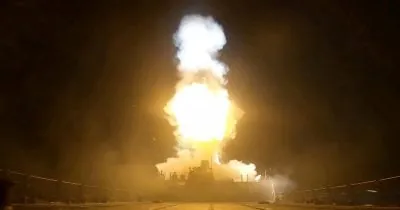
Military activity and explosions reported in Iran and Kuwait signal escalating tensions over control of the Strait of Hormuz, one of the world's most critical oil transit points. The strait handles roughly one-third of global seaborne crude trade, making any sustained disruption a material macroeconomic event.
Potential Market Implications
A significant interruption to oil flows through the Hormuz would raise energy prices globally, with direct consequences for the cost of running data centers, validator infrastructure, and mining operations. Higher energy costs compress margins for proof-of-work networks and increase operational expenses across blockchain infrastructure broadly.
Monitoring Continued
The crypto market has historically reacted to crude oil shocks as a second-order effect through inflation expectations and central bank policy responses. Sustained geopolitical risk in the region warrants continued monitoring of shipping data and crude pricing for downstream portfolio effects.
Why It Matters
For Traders
Oil price spikes typically correlate with risk-off sentiment in risk assets; monitor WTI crude futures for volatility signals that may cascade into crypto liquidations.
For Investors
Extended Hormuz disruption would elevate global inflation expectations and potentially delay Fed rate cuts, extending the period of high funding costs for leveraged strategies.
For Builders
Infrastructure operators should stress-test node and validator uptime under scenarios of 20-40% energy cost increases; mining operations in high-cost regions face margin compression.
This article is for information only and is not financial advice. Read the full disclaimer.