Iran Bypasses US Talks, Chooses Pakistan Mediation as Ceasefire Stalls
Iran has shifted away from direct US negotiations, routing diplomatic communications through Pakistan as tensions persist over regional ceasefire discussions. The indirect approach has stalled negotiations and created market uncertainty, particularly in energy sectors.
Written by CoinArticle’s AI Newsroom · from 1 cited source. How we work
Iran Skips US Talks, Opts for Pakistan Mediation Amid Ceasefire Uncertainty
Diplomatic Shift Away from Direct Engagement
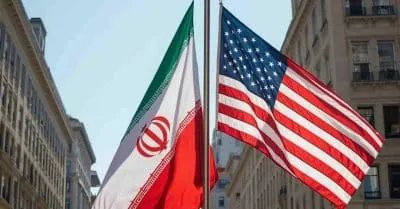
Iran has chosen to step back from direct negotiations with the United States, instead routing diplomatic communications through Pakistan as a mediator. This decision marks a significant departure from earlier engagement patterns and reflects heightened tensions surrounding regional stability discussions. The move underscores the complexity of current geopolitical dynamics and the reluctance of both parties to engage in face-to-face dialogue.
Pakistan's role as intermediary introduces an additional layer to already intricate negotiations. As a regional actor with historical ties to Iran and strategic partnerships with various international players, Islamabad brings unique positioning to the table. However, this indirect approach extends timelines for substantive diplomatic progress.
Ceasefire Talks Remain Uncertain
Broader ceasefire negotiations have stalled without clear resolution pathways. International observers note that the lack of direct communication channels between Iran and the US has created information gaps and reduced the likelihood of rapid breakthroughs. Multiple rounds of proposed talks have been postponed or remain unscheduled.
This uncertainty extends beyond traditional political circles, creating ripple effects across global markets. Energy markets remain volatile due to concerns about potential escalation and disruption to regional stability. The unpredictability has prompted cautious positioning among international actors.
Market Confidence Deteriorates
Asset markets have reacted negatively to these diplomatic developments. Reduced optimism for swift resolution has contributed to increased volatility in energy and equity markets. Investors are pricing in extended uncertainty premiums, and risk sentiment has shifted accordingly.
Why It Matters
For Traders: Geopolitical uncertainty directly impacts commodity volatility and currency movements. Intermediary use suggests prolonged negotiations, extending elevated risk premiums. Monitor developments for trading opportunities in energy futures and emerging market currencies.
For Investors: Long-term portfolio positioning may need adjustment as regional instability persists. Energy sector exposure and emerging market holdings warrant reassessment given uncertain stabilization timelines. Extend diversification strategies to account for prolonged geopolitical uncertainty.
For Builders: Infrastructure and development projects in the region face heightened execution risk. Construction timelines and supply chain reliability remain compromised by diplomatic tensions. Implement contingency protocols and extend project timelines accordingly.
This article is for information only and is not financial advice. Read the full disclaimer.