Iran Strait of Hormuz Closure Threatens Oil Markets, Crypto Risk Assets
Iran closed the Strait of Hormuz in response to Israeli military operations in Lebanon, blocking a critical global oil chokepoint through which roughly one-third of seaborne crude passes daily. The disruption risks oil price volatility and broader macroeconomic spillover that could weigh on risk assets including cryptocurrencies.
Written by CoinArticle’s AI Newsroom · from 1 cited source. How we work
Geopolitical Escalation in the Gulf
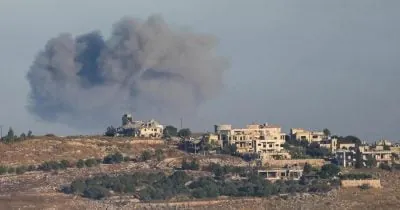
Iran announced a closure of the Strait of Hormuz following Israeli airstrikes on Lebanese targets, marking a significant escalation in regional tensions. The strait, situated between Iran and Oman, handles approximately one-third of the world's seaborne oil trade. No official timeline for the closure or conditions for reopening have been stated.
Oil Market and Macro Implications
A sustained blockade of the strait would disrupt global crude supplies and likely push oil prices sharply higher. Elevated energy costs ripple through inflation expectations, central bank policy, and broader risk sentiment. Cryptocurrencies, which correlate with equity volatility during macro stress events, face headwinds if energy shocks trigger recession concerns or flight-to-safety dynamics favoring traditional assets over speculative holdings.
Uncertainty on Duration and Scope
The immediate impact depends on whether Iran enforces the closure militarily and whether alternative shipping routes or emergency reserves can offset lost barrels. Market participants are monitoring for official statements clarifying Iran's intent and any response from global powers. Historical precedent—such as 1973's OPEC oil embargo—shows that supply shocks of this magnitude can trigger months of elevated volatility across all risk markets.
Why It Matters
For Traders
Oil futures volatility typically precedes crypto drawdowns during macro crises; BTC and ETH may face liquidation cascades if energy shock triggers equity sell-offs.
For Investors
Geopolitical risk premiums historically persist for weeks; crypto correlation to risk assets could deepen if the strait remains closed, pressuring long positions.
For Builders
Stablecoin demand may increase if geopolitical uncertainty drives users toward on-chain assets, but broader market deleveraging could reduce DEX and lending protocol activity.
This article is for information only and is not financial advice. Read the full disclaimer.