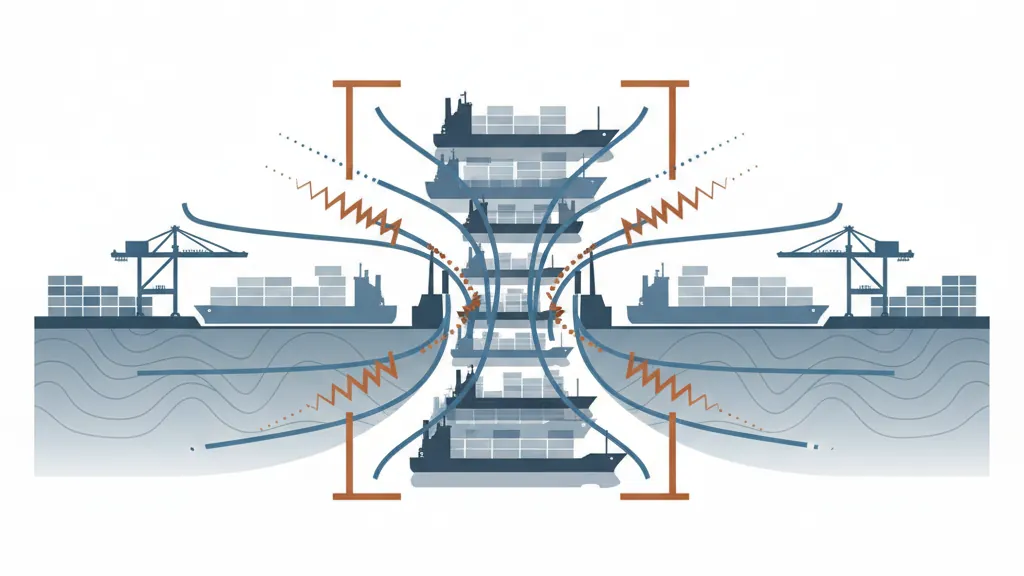
Geopolitical Tensions in Strait of Hormuz May Reshape Energy Markets
Iran has intensified its control of the Strait of Hormuz, a critical shipping chokepoint through which roughly 20% of global crude oil passes daily. The escalation could destabilize energy markets and international trade, with potential indirect effects on crypto volatility tied to macro risk sentiment.
Written by CoinArticle’s AI Newsroom · from 1 cited source. How we work
Strait of Hormuz Strategic Importance
The Strait of Hormuz sits between Iran and Oman and handles approximately 20% of globally traded crude oil, making it one of the world's most economically vital shipping lanes. Any sustained disruption to flow through the waterway historically triggers sharp moves in energy prices, which in turn ripple through equities, currencies, and risk assets including cryptocurrencies.
Potential Market Implications
Iran's recent intensification of control over the strait raises the risk of shipping delays, insurance premiums on tankers, and potential supply-side shocks to global energy markets. Elevated geopolitical risk typically correlates with flight-to-safety behavior: investors reduce exposure to risk assets and volatile sectors, a dynamic that has historically pressured cryptocurrency markets during periods of acute macro uncertainty.
Limited Direct Crypto Nexus
While the strait disruption does not directly affect blockchain infrastructure or on-chain activity, macro traders and institutional investors holding crypto often reduce positions when geopolitical volatility spikes. Energy price shocks also filter into inflation expectations and central bank policy assumptions, both of which inform longer-term cryptocurrency valuations and risk premiums.
Why It Matters
For Traders
Geopolitical risk premium could weaken risk-on appetite and broad crypto positioning over the next 48-72 hours if oil prices spike sharply.
For Investors
Macro tail risk events like energy supply disruptions increase correlation between crypto and traditional risk assets, testing diversification assumptions.
For Builders
Protocol and infrastructure teams should monitor macro volatility as a leading indicator for retail user behavior and exchange flow volatility during periods of heightened uncertainty.
This article is for information only and is not financial advice. Read the full disclaimer.