Israel-Iran Tensions Risk Disrupting Energy Markets and Oil Prices
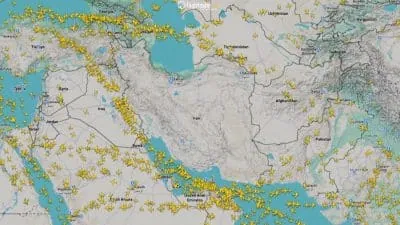
Escalating military tensions between Israel and Iran raise the prospect of Iranian airspace closure, which could disrupt global energy markets and crude oil supply routes. The situation heightens regional instability and may push crude prices higher, with indirect effects on crypto market volatility.
Written by CoinArticle’s AI Newsroom · from 1 cited source. How we work
Geopolitical Risk Reshapes Energy Markets
Tensions between Israel and Iran have intensified to levels that threaten major shipping and aviation corridors in the Middle East. A potential closure of Iranian airspace could force international flights and cargo transport to reroute through longer paths, increasing operational costs across energy logistics. Crude oil markets are already pricing in the risk of supply disruptions, with Brent and WTI crude responding to each escalation.
Spillover Effects on Crypto and Macro Markets
Historically, crude oil price spikes driven by geopolitical risk correlate with increased equity market volatility and flight-to-safety behavior. Bitcoin and other risk assets have shown sensitivity to macro uncertainty in recent months. A sustained oil shock could reduce liquidity appetite across risk markets, including cryptocurrencies, as investors rebalance portfolios toward defensive positions.
Regional Stability and Supply Chain Concerns
Beyond crude prices, an Iranian airspace closure would threaten the Strait of Hormuz region, through which roughly 20% of global oil trade flows. Insurance costs for tankers transiting the area would likely rise, embedding a geopolitical premium into energy prices. The uncertainty itself — even absent an actual closure — has already begun shifting trader positioning in energy and macro markets.
Why It Matters
For Traders
Geopolitical risk premiums in crude oil typically drive broad-market volatility; BTC and ETH often see liquidation cascades during macro shocks tied to energy or supply-chain disruption.
For Investors
Oil-price shocks correlate with equity drawdowns and flight-to-safety flows; crypto's macro sensitivity means portfolios with meaningful BTC exposure may see increased correlation with traditional markets.
For Builders
Infrastructure projects dependent on predictable energy costs or regional stability may face delays; oracle feeds pricing energy commodities should reflect heightened geopolitical tail risk.
This article is for information only and is not financial advice. Read the full disclaimer.