Israel Military Bases in Iraq May Create Geopolitical Friction for Crypto Markets
Reports of Israeli military installations in Iraq have surfaced amid escalating Iran tensions, raising concerns about regional stability and Middle Eastern alliances. Geopolitical friction of this scale historically correlates with volatility in risk assets including cryptocurrencies.
Written by CoinArticle’s AI Newsroom · from 1 cited source. How we work
Regional Tensions and Market Context
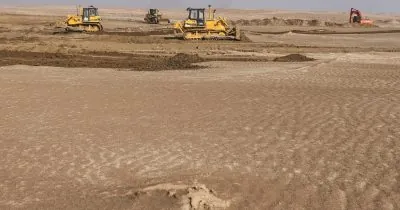
Israel has reportedly constructed two covert military bases in Iraq, according to multiple sources tracking Middle Eastern developments. The installations are said to be positioned ahead of potential conflict with Iran, a move that complicates Iraq's stated sovereignty and recalibrates power dynamics in the Persian Gulf region.
Implications for Risk Assets
Geopolitical escalation in the Middle East has historically driven safe-haven flows into traditional assets like U.S. Treasury bonds and precious metals, often at the expense of risk assets. Cryptocurrencies, which lack the institutional safe-haven status of gold or government bonds, tend to experience heightened volatility during periods of regional military tension. Previous conflicts in the region have produced 5% to 15% intraday swings in Bitcoin and Ethereum.
Broader Policy Uncertainty
The covert nature of the bases and their potential violation of Iraqi sovereignty raise questions about how regional actors will respond and whether multilateral institutions will impose economic restrictions. Energy markets, which directly influence global liquidity conditions and risk sentiment, remain sensitive to any disruption in Strait of Hormuz shipping lanes. Traders and investors should monitor official statements from Baghdad, Tehran, and Washington for clearer signals about escalation risk.
Why It Matters
For Traders
Geopolitical risk premiums typically widen during Middle East tensions, often triggering liquidations in leveraged crypto positions and widening bid-ask spreads on major venues.
For Investors
Regional military escalation historically increases volatility and correlation with traditional risk assets, reducing crypto's diversification benefit for multi-month holding periods.
For Builders
Energy and infrastructure disruption risk could affect data center operations and validator costs in regions dependent on regional electricity grids.
This article is for information only and is not financial advice. Read the full disclaimer.