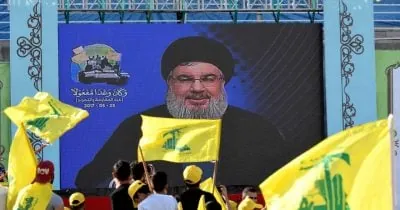
Israeli Army Strikes Hezbollah: Implications for Geopolitics and Markets
The Israeli army's operation, resulting in the elimination of 250 Hezbollah fighters, marks a critical escalation in southern Lebanon. This development could significantly affect regional stability and global market dynamics.
Written by CoinArticle’s AI Newsroom · from 1 cited source. How we work
Overview
In a crucial military operation, the Israeli army announced the elimination of 250 Hezbollah fighters in southern Lebanon. This escalation occurs amidst rising tensions in the region, raising alarms about potential conflicts that could impact not only the local geopolitical landscape but also resonate through global markets and investor sentiment.
Details of the Operation
According to official sources, the Israeli army's actions were a targeted response to ongoing threats posed by Hezbollah, a militant group classified as a terrorist organization by Israel and several Western nations. The military engagement reportedly transpired across various strategic locations in southern Lebanon, a region known for its intricate web of political and sectarian dynamics.
While presented by the Israeli army as a protective measure, analysts speculate that the scale of the offensive could incite further retaliation from Hezbollah. Such a response may initiate a wider military conflict, potentially involving various regional players and complicating diplomatic efforts aimed at stabilizing the area.
Potential Consequences
Escalation of Regional Tensions
The elimination of this substantial number of fighters is likely to disturb the already fragile power balance in southern Lebanon. Historically, Hezbollah has reacted to perceived threats with counterattacks, and this latest incident may prompt the group to reassess its strategies, leading to increased militarized engagements. These developments could not only affect Israel and Lebanon but may also draw in neighboring countries with vested interests in the conflict.
Market Perceptions
Traders in sensitive markets, particularly in commodities such as oil and gas, will closely monitor these developments. Historical trends indicate that heightened tensions in the Middle East often lead to spikes in oil prices due to fears of supply disruptions. Should the situation escalate into a broader conflict, we may witness increased volatility in oil and commodity markets.
Additionally, global equity markets could react sharply to the unfolding situation, especially in sectors sensitive to geopolitical risks. Companies with operations or investments in the region may experience fluctuations in their stock prices as uncertainty grows.
Geopolitical Dynamics
The implications of this Israeli military operation extend beyond immediate military concerns. Shifts in regional dynamics could influence international relations, particularly between Israel and its neighbors, as well as with global powers involved in Middle Eastern politics. Countries invested in mediation efforts or regional stability might find their strategies altered as the landscape changes.
Collaborative efforts to address longstanding issues in the region could face increased challenges in the wake of such confrontations. The responses of superpowers and regional alliances will be critical in determining the extent of the crisis and its long-term effects.
Conclusion
The Israeli army's elimination of 250 Hezbollah fighters represents a pivotal development with far-reaching implications for the already precarious situation in southern Lebanon. The geopolitical consequences of this event may ripple through various sectors, influencing market perceptions and complicating the intricate dynamics of the region. Stakeholders—including traders, investors, and builders—should remain vigilant as the situation unfolds.
Entities: Israeli army, Hezbollah, southern Lebanon
Categories: Conflict, Geopolitics, Markets
Why It Matters
For Traders
Stay alert to market fluctuations driven by geopolitical tensions.
For Investors
Prepare for potential impacts on stock prices linked to Middle Eastern conflicts.
For Builders
Anticipate shifts in regional stability that could affect project viability.
This article is for information only and is not financial advice. Read the full disclaimer.