John Wang Envisions a Silicon-Native Economy through AI and Blockchain
John Wang of Neo Ecofund proposes a transformative vision for the digital economy, integrating blockchain and AI to create autonomous economic agents. This 'silicon-native' approach could redefine value creation and governance in decentralized networks.
Written by CoinArticle’s AI Newsroom · from 1 cited source. How we work
Introduction
John Wang, a notable figure at Neo Ecofund, has articulated a forward-looking vision that positions blockchain technology and artificial intelligence at the heart of a transformative economic landscape. Speaking on the concept of a "silicon-native" economy, Wang detailed how autonomous AI agents could evolve into sovereign participants within decentralized systems. This represents what he describes as a civilizational shift, transcending traditional smart economy frameworks.
The Vision of Silicon-Native Agency
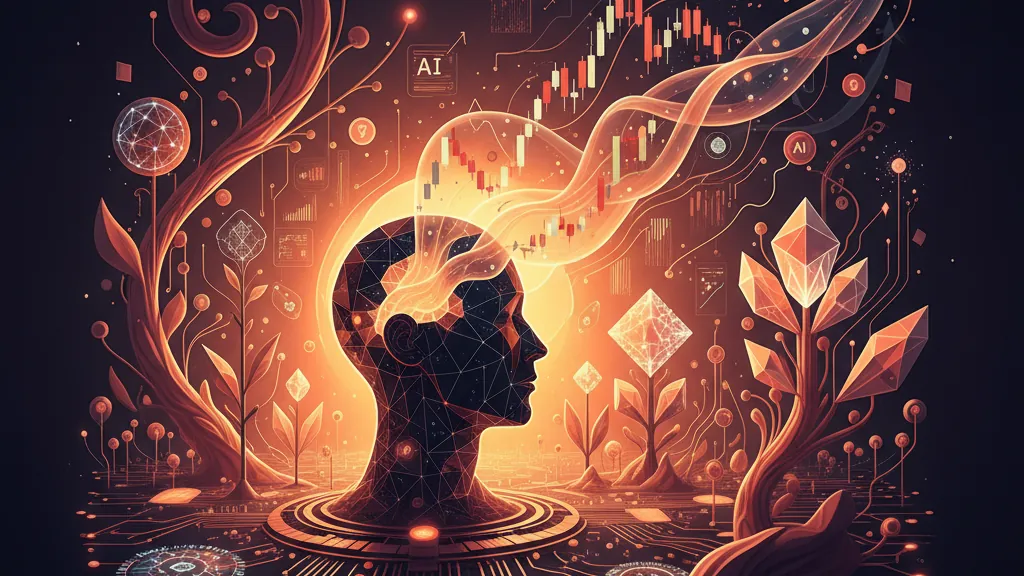
Wang's concept revolves around the seamless integration of AI agents with blockchain infrastructure to establish autonomous entities capable of conducting independent economic activities. These "silicon-native" agents would function as sovereign players in the digital economy—executing transactions, managing resources, and making decisions without human guidance. This visionary framework builds upon existing blockchain functionalities while venturing into uncharted territories at the intersection of artificial intelligence and decentralized systems.
Under Wang's leadership, Neo Ecofund aims to be at the forefront of these groundbreaking technologies, advocating for the necessary infrastructure that can support this next generation of autonomous economic actors.
Blockchain and AI Convergence
Wang's proposed model relies on blockchain technology to offer the decentralized infrastructure essential for AI agents to operate with transparency and accountability. By leveraging distributed ledger systems, these autonomous entities could theoretically maintain verifiable transaction histories, execute smart contracts, and engage in decentralized networks without the need for centralized oversight.
This integration tackles a critical challenge in AI development: ensuring trust and verifiability in autonomous systems. Blockchain's immutable record-keeping serves as a solid foundation for AI agents, allowing them to act as reliable economic participants.
Implications for the Digital Economy
Wang's vision highlights several significant implications for future economic systems. The emergence of silicon-native entities as sovereign participants could revolutionize how value is created, exchanged, and managed in digital realms. Such a radical shift would necessitate the development of new regulatory frameworks, technical standards, and governance models to accommodate non-human economic actors.
This approach also prompts important questions regarding the nature of agency, ownership, and accountability in systems where autonomous entities engage in economic activities independently.
Conclusion
John Wang's articulation of a silicon-native economy represents an ambitious vision for the convergence of blockchain and artificial intelligence technologies. While the practical implementation of fully autonomous economic agents presents complex challenges, the framework outlined by Neo Ecofund emphasizes an evolving conversation about decentralization, AI autonomy, and the future architecture of digital economies.
Why It Matters
Traders
For traders, the rise of silicon-native economic agents could open up new trading strategies and market dynamics, as decentralized entities engage in transactions autonomously.
Investors
Long-term investors should note that the integration of AI and blockchain may lead to innovative business models and revenue streams, offering potential growth opportunities in emerging markets.
Builders
Developers and builders in the crypto space should consider this paradigm shift, as it will necessitate new tools, platforms, and governance structures to support autonomous agents and optimize their interactions within the digital economy.
This article is for information only and is not financial advice. Read the full disclaimer.