Kalshi Sues Minnesota Over Prediction Market Restrictions
Kalshi filed a lawsuit challenging Minnesota's new law restricting prediction market activity and imposing criminal penalties on certain event-based contracts. The company argues the state law overreaches into federally regulated markets.
Written by CoinArticle’s AI Newsroom · from 1 cited source. How we work
The Lawsuit and Its Core Argument
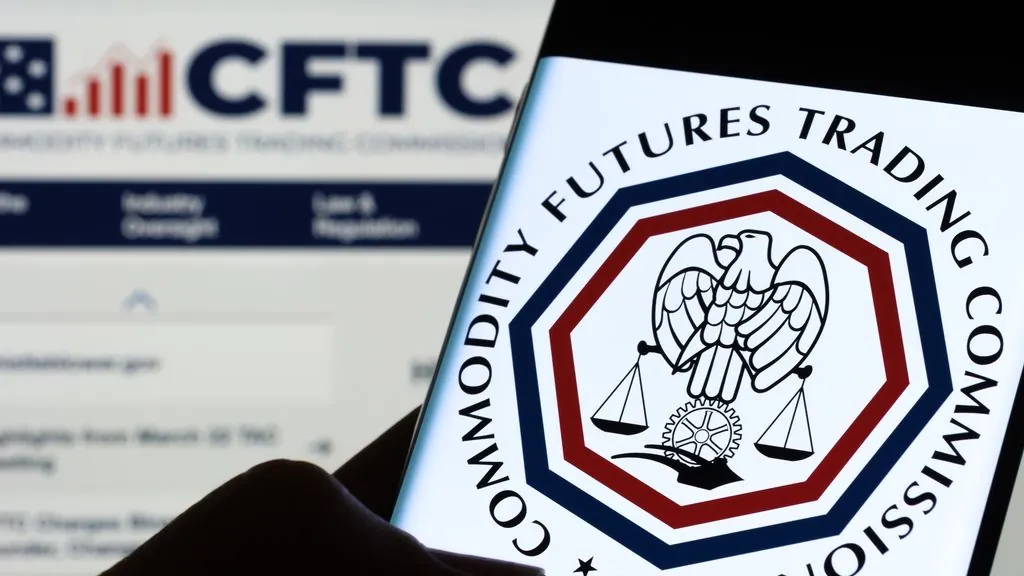
Kalshi, a CFTC-regulated prediction market platform, filed suit against the state of Minnesota over a recently enacted law that would restrict most prediction market activity and impose criminal penalties on certain event-based contracts. At the center of Kalshi's challenge is a jurisdictional argument: the company contends that prediction markets on federally regulated commodities fall under the exclusive purview of federal regulators, primarily the Commodity Futures Trading Commission, and that states cannot unilaterally impose blanket restrictions or criminalize activity already permitted under federal law.
The Regulatory Landscape
Kalshi operates under CFTC approval and has spent the past two years navigating a patchwork of state-level restrictions on prediction markets. Minnesota's new law represents an escalation in state-level friction over the platforms, following similar efforts in other jurisdictions to limit or ban prediction market contracts. The lawsuit signals Kalshi's willingness to litigate state restrictions rather than comply with them, a strategy the company has pursued in other markets where it faced regulatory obstacles.
What Comes Next
The outcome could reshape how states regulate prediction markets. A ruling in Kalshi's favor would likely preempt similar state-level bans and strengthen the federal regulatory framework. A decision upholding Minnesota's law could embolden other states to pass their own restrictions, fragmenting the market further and forcing platforms to exit certain jurisdictions entirely.
Why It Matters
For Traders
State-level wins for Kalshi could expand the jurisdictions where prediction market traders can legally operate positions on currently restricted event types.
For Investors
A precedent-setting ruling either way will clarify whether federal CFTC approval preempts state-level bans, affecting the long-term viability of prediction market platforms across the U.S.
For Builders
Prediction market infrastructure developers need clarity on state versus federal jurisdiction to determine which contracts they can safely offer and which geographies they must exclude.
This article is for information only and is not financial advice. Read the full disclaimer.