Kevin Warsh Tapped to Lead Federal Reserve as Inflation Approaches Three-Year High
Kevin Warsh is set to become Federal Reserve chair as U.S. inflation approaches its highest level in three years. His hawkish policy stance could tighten monetary conditions further, raising questions about economic resilience and market volatility ahead.
Written by CoinArticle’s AI Newsroom · from 1 cited source. How we work
Warsh's Path to the Fed
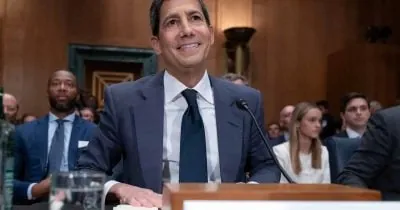
Kevin Warsh, a former Federal Reserve board member and investment banker, has been selected to lead the Federal Reserve amid persistent inflationary pressure. Warsh served as governor from 2006 to 2011 and has been an advisor to multiple administrations. His nomination comes as U.S. inflation continues to climb toward its highest level since 2022.
Policy Implications
Warsh is widely characterized as a hawk on monetary policy, favoring tighter conditions and higher interest rates to combat inflation. Market participants expect his leadership could result in sustained or further rate increases, potentially extending the duration of elevated borrowing costs across the economy. The timing coincides with ongoing tension between inflation control and economic growth concerns.
Broader Market Context
A hawkish Fed chair typically pressures risk assets, including cryptocurrencies, which historically perform better in low-rate environments. Cryptocurrency markets have shown sensitivity to Federal Reserve policy signals in recent years, with rate expectations influencing Bitcoin and Ethereum valuations. The broader implication for digital asset markets will depend on the pace and tenor of Warsh's actual policy decisions once confirmed.
Why It Matters
For Traders
Hawkish Fed policy typically depresses risk appetite; crypto traders should monitor rate expectations and Fed meeting calendars for entry and exit signals.
For Investors
Extended high-rate regime reduces the attractiveness of non-yielding assets like Bitcoin while favoring dollar strength; long-term holders should assess portfolio hedges.
For Builders
Tighter monetary policy slows venture funding and user growth in crypto startups; builders should stress-test runway assumptions for extended bear-market conditions.
This article is for information only and is not financial advice. Read the full disclaimer.