Kuwait Missile Attack Raises Oil Price Volatility, Weighing on Risk Assets
Kuwait faced drone and missile strikes Tuesday amid deteriorating Iran-Israel tensions, reigniting concerns about Persian Gulf energy supply disruptions. Oil prices rose on the attack, pressuring risk assets including cryptocurrencies as traders reassess geopolitical risk premiums.
Written by CoinArticle’s AI Newsroom · from 1 cited source. How we work
Regional Escalation Threatens Energy Markets
Kuwait reported multiple drone and missile strikes Tuesday as tensions between Iran and Israel intensified following weeks of fragile ceasefire negotiations. The attack marks a significant escalation in direct threats to Gulf Cooperation Council infrastructure and signals weakening diplomatic channels in the region. Kuwait, a major crude exporter and strategic U.S. ally, has historically been a target during regional conflicts due to its geographic proximity to Iraq and Iran.
Oil Price Reaction and Cross-Asset Spillover
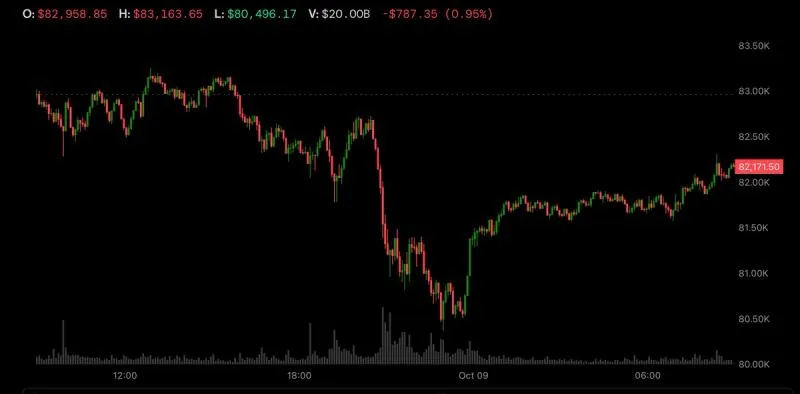
Crude prices rose on the news, with Brent futures trading higher as traders priced in renewed supply-chain risk. Energy-sensitive sectors and macro-correlated assets including equities and cryptocurrencies faced selling pressure as investors moved toward safe-haven positions. Bitcoin and ether both declined modestly in the hours following the attack, consistent with historical patterns where geopolitical risk events temporarily redirect capital to traditional havens like Treasury bonds and the U.S. dollar.
Structural Implications for Energy and Crypto Correlation
Prolonged regional instability could sustain higher oil prices, which typically compress risk appetite and volatility across crypto markets. The attack underscores how Middle East security events remain a material input to macro conditions that influence digital asset valuations, particularly during periods of already elevated inflation expectations.
Why It Matters
For Traders
Elevated geopolitical risk typically drives safe-haven demand, pressuring leveraged crypto positions and raising funding rates; monitor oil futures for volatility signals.
For Investors
Sustained Persian Gulf tension raises macro risk premiums; periods of oil-price spikes correlate with lower crypto risk appetite and reduced institutional inflows.
For Builders
Energy-intensive protocols face higher operational costs if electricity prices track crude higher; stablecoin collateral pools tied to energy stocks warrant closer monitoring.
This article is for information only and is not financial advice. Read the full disclaimer.