Lebanon-Israel Conflict Escalation May Extend Regional Instability
Escalating military conflict between Lebanon and Israel has reduced near-term prospects for diplomatic resolution, according to reporting on the conflict. Extended regional instability could affect macroeconomic conditions and risk appetite for emerging-market assets including crypto.
Written by CoinArticle’s AI Newsroom · from 1 cited source. How we work
Conflict Intensifies Diplomatic Barriers
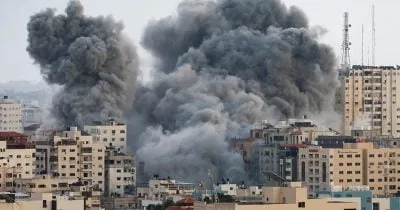
The Lebanon-Israel conflict has entered a more severe phase, with Lebanon accusing Israel of a "scorched-earth policy" as military operations expand. The escalation follows weeks of cross-border tensions and has made conventional diplomatic channels less viable in the immediate term, according to reporting on the conflict.
Macro Spillovers to Watch
Extended regional instability typically narrows risk appetite in financial markets, including cryptocurrency. Historical precedent shows that geopolitical shocks in the Middle East tend to correlate with flight-to-quality moves into safe-haven assets like US Treasury bonds and away from risk assets. The duration and intensity of this conflict remain unresolved, leaving visibility on potential market impacts limited.
Why It Matters
For Traders
Extended Middle East instability historically narrows risk appetite; monitor correlation between regional headlines and crypto volatility over the next 48-72 hours.
For Investors
Prolonged geopolitical friction may suppress risk-on sentiment and limit inflows to alternative assets, though direct crypto correlation remains indirect.
For Builders
Regional instability has no direct bearing on protocol development or on-chain infrastructure, though macro headwinds may slow institutional adoption timelines.
This article is for information only and is not financial advice. Read the full disclaimer.