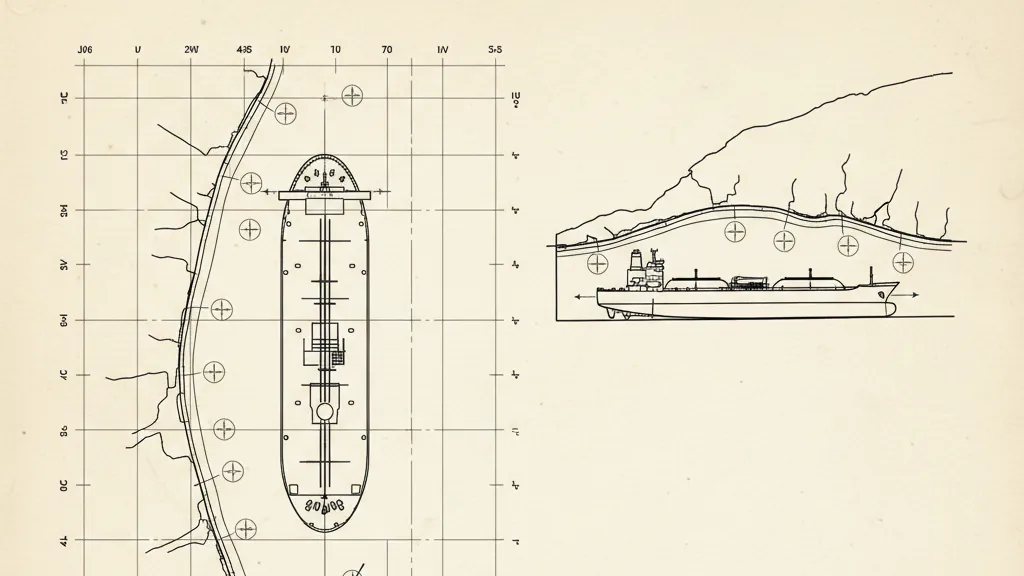
First LNG Shipment Through Strait of Hormuz Since 2026 Iran War
The first liquified natural gas shipment has successfully transited the Strait of Hormuz since the 2026 Iran conflict began, signaling potential de-escalation in one of the world's most critical energy chokepoints. While energy markets show cautious optimism, analysts warn that a single shipment may not indicate sustained regional stability or normalized operations.
Key Takeaways
- 1# First LNG Shipment Exits Strait of Hormuz Since 2026 Iran War Began ## Historic Passage Signals Potential De-escalation in Global Energy Markets The first liquified natural gas (LNG) shipment has successfully exited the Strait of Hormuz since the onset of the 2026 Iran conflict, representing a significant development for one of the world's most critical energy chokepoints.
- 2This landmark transit marks the first commercial LNG passage through the strategic waterway in over a year, following months of severe tensions and disrupted supply chains that destabilized global energy markets.
- 3The shipment's successful passage suggests a potential thawing of regional hostilities, though market participants remain cautious about drawing broad conclusions from a single transaction.
- 4The Strait of Hormuz, through which approximately one-third of the world's seaborne traded oil passes, has served as a major geopolitical flashpoint since conflict escalated in 2026.
- 5## Energy Markets Show Measured Optimism Energy traders and market analysts have responded with cautious optimism rather than exuberance to the successful transit.
First LNG Shipment Exits Strait of Hormuz Since 2026 Iran War Began
Historic Passage Signals Potential De-escalation in Global Energy Markets
The first liquified natural gas (LNG) shipment has successfully exited the Strait of Hormuz since the onset of the 2026 Iran conflict, representing a significant development for one of the world's most critical energy chokepoints. This landmark transit marks the first commercial LNG passage through the strategic waterway in over a year, following months of severe tensions and disrupted supply chains that destabilized global energy markets.
The shipment's successful passage suggests a potential thawing of regional hostilities, though market participants remain cautious about drawing broad conclusions from a single transaction. The Strait of Hormuz, through which approximately one-third of the world's seaborne traded oil passes, has served as a major geopolitical flashpoint since conflict escalated in 2026.
Energy Markets Show Measured Optimism
Energy traders and market analysts have responded with cautious optimism rather than exuberance to the successful transit. While the shipment demonstrates that commercial operations are resuming, broader market sentiment reflects concern about the fragility of any potential de-escalation. Crude oil futures exhibited modest movement following the announcement, with traders maintaining elevated risk premiums due to persistent uncertainty about whether this passage represents a sustained shift in regional dynamics.
Market observers note that "one shipment doesn't necessarily indicate normalized operations." Geopolitical stability in the region remains notably fragile, with underlying tensions between Iran and regional powers still fundamentally unresolved.
Implications for Global LNG and Energy Supply
The successful transit carries significant implications for LNG producers dependent on Hormuz passage, particularly those supplying Asian markets. Export-dependent economies have endured substantial supply uncertainty throughout the conflict period, driving elevated energy costs and forcing alternative sourcing arrangements. A genuine reopening of the strait could provide meaningful relief to energy-constrained regions and help stabilize pricing structures inflated by geopolitical risk premiums.
Key Takeaways Across Sectors
For Energy Traders: This development suggests potential volatility compression in energy futures markets if de-escalation proves sustained. However, a single shipment warrants significant caution before major portfolio repositioning. Risk premiums will likely decline gradually rather than disappear immediately.
For Institutional Investors: Energy infrastructure companies and shipping firms face improved fundamental outlooks if regional stability genuinely improves. Long-dated energy investments may become increasingly attractive as supply certainty increases, though geopolitical tail risks remain relevant to valuations.
For Project Developers: The resumption of LNG infrastructure projects depends critically on sustained regional stability and investor confidence. This shipment may create windows for resuming or completing energy infrastructure projects in affected regions, though project financing remains influenced by geopolitical risk assessments.
What Comes Next
While this milestone offers encouragement, sustained de-escalation will require demonstrated consistency over time. Additional shipments and broader normalization of shipping activity through the Strait of Hormuz will be necessary to convince energy markets that this represents meaningful, lasting change rather than an isolated incident within an otherwise volatile geopolitical environment.
Market participants should monitor subsequent transit patterns, regional diplomatic developments, and shipping activity levels for confirmation of genuine stabilization.
Why It Matters
For Traders
Potential volatility compression in energy futures if de-escalation continues, though risk premiums may persist until sustained normalization is demonstrated.
For Investors
Energy infrastructure and shipping companies face improved fundamentals; long-dated energy investments become more attractive with increased supply certainty and reduced geopolitical uncertainty.
For Builders
Energy infrastructure project resumption depends on sustained regional stability; this shipment may create windows for completing projects, though project financing remains influenced by geopolitical risk assessments.