Macro Forces Shape Bitcoin's Path as Whale Impact Diminishes
As Bitcoin approaches 2026, traditional concerns about whale activity are overshadowed by macroeconomic indicators. This shift reflects a maturation in the crypto market, emphasizing the need for investors to adapt their analyses.
Written by CoinArticle’s AI Newsroom · from 1 cited source. How we work
Introduction
The cryptocurrency market is entering a transformative phase, where age-old concerns surrounding whale activity are increasingly overshadowed by dominant macroeconomic forces. As Bitcoin approaches the pivotal year of 2026, analysts are shifting their lens from large-holder sell-offs to macroeconomic indicators that are significantly influencing the digital asset's price trajectory. This evolution signifies a notable maturation in how the market responds to a range of factors impacting valuation.
Macroeconomic Factors Take Center Stage
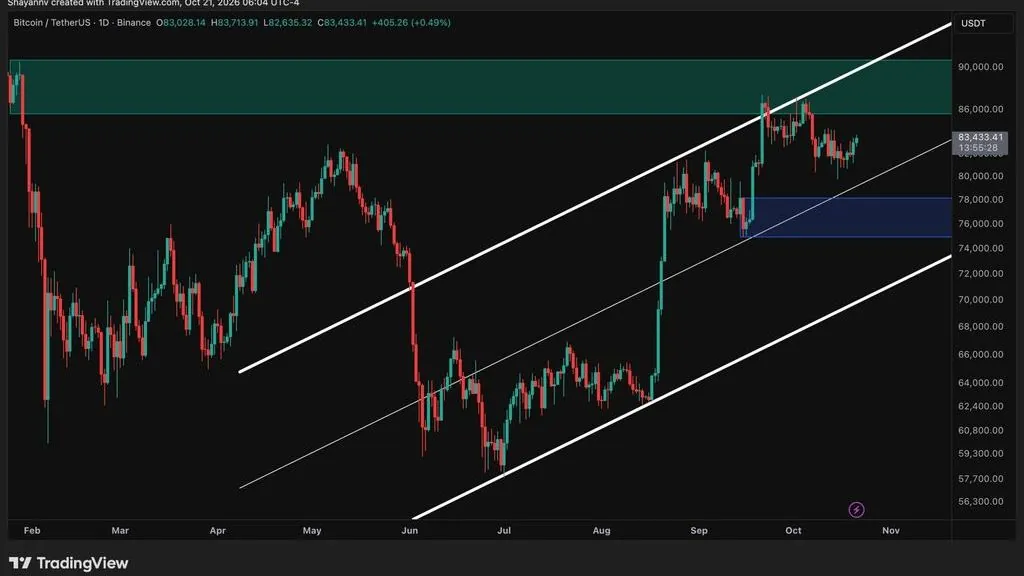
Bitcoin's price movements are becoming ever more intertwined with global economic conditions, rather than being driven solely by crypto-specific events. Interest rate policies, inflation metrics, and international monetary dynamics have emerged as primary drivers of BTC valuation. This evolution underscores Bitcoin's growing integration into the broader financial ecosystem, where traditional economic indicators are now pivotal in shaping market direction.
As the global economic landscape of late 2025 unfolds, central bank policies and geopolitical developments will play crucial roles in influencing investor sentiment and capital flows into digital assets.
Diminishing Impact of Whale Sales
Historically, large Bitcoin holders, commonly referred to as whales, were viewed as risks capable of inducing significant price volatility through large sell-offs. However, current market analysis indicates that this dynamic has fundamentally altered. The increasing market depth, heightened institutional participation, and broader distribution of Bitcoin holdings have forged a more resilient market structure. This structure can absorb large transactions without experiencing the dramatic price swings that were once synonymous with whale activity.
This evolution signifies a maturing market, where enhanced liquidity and a diverse participant base have fortified Bitcoin's capacity to withstand concentrated selling pressure.
Implications for 2026 Trajectory
The shift towards macro-driven price action carries important implications for Bitcoin's path forward. Investors and analysts must now integrate traditional economic analysis into their cryptocurrency evaluations, closely monitoring metrics such as monetary policy decisions, economic growth indicators, and currency market movements.
This paradigm shift suggests that Bitcoin's trajectory in 2026 will be less influenced by the behavior of individual actors and increasingly responsive to systemic economic conditions. Consequently, the digital asset's price discovery mechanism operates more within the framework of global financial markets rather than as an isolated entity.
Conclusion
As Bitcoin continues to evolve from a niche digital asset into a globally recognized financial instrument, the factors influencing its price are also changing. The diminishing role of whale sales as a limiting factor, coupled with the rising significance of macroeconomic conditions, heralds a new era for cryptocurrency market dynamics. Understanding these evolving drivers is crucial for accurately assessing Bitcoin's potential trajectory through 2026 and beyond.
Why It Matters
For Traders
Traders should be aware of the growing importance of macroeconomic factors as they develop strategies, placing greater emphasis on global economic indicators that impact Bitcoin's price.
For Investors
Long-term investors need to adapt their analyses to include traditional economic metrics, as Bitcoin becomes increasingly responsive to macroeconomic conditions rather than individual trader behavior.
For Builders
Developers and builders in the crypto space must consider how macroeconomic factors influence user adoption and market sentiment, driving innovation in response to changing market dynamics.
This article is for information only and is not financial advice. Read the full disclaimer.