Geopolitical Tensions in Middle East Risk Crypto Market Volatility
Heightened military readiness in Iran and increased Israeli vigilance signal elevated regional instability in the Middle East. Crypto markets often react to geopolitical risk with increased volatility and capital flight to safe-haven assets.
Written by CoinArticle’s AI Newsroom · from 1 cited source. How we work
Regional Tensions Rise
Heightened military preparations in Iran and increased Israeli vigilance point to elevated geopolitical risk in the Middle East, according to reporting on military postures in the region. The level of readiness suggests a departure from baseline peacetime positions, though no specific incident or escalation has been publicly confirmed by either government.
Market Implications
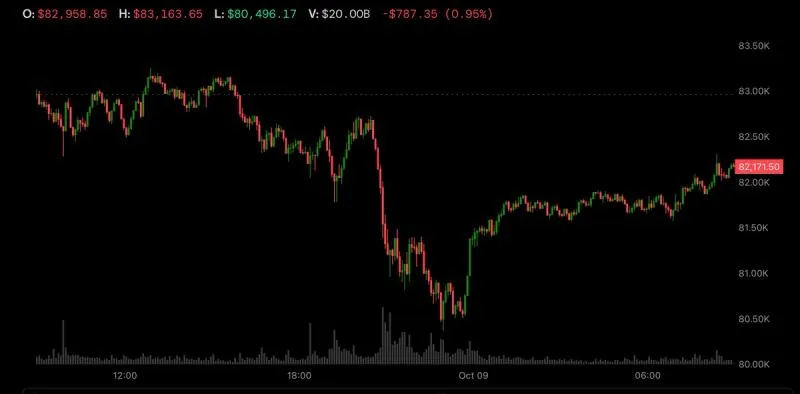
Regional instability historically correlates with increased volatility across risk assets, including cryptocurrencies. During prior periods of Middle East conflict, crypto markets have experienced both flight-to-safety flows toward Bitcoin and sharp drawdowns as risk appetite contracted across asset classes. The current environment underscores the degree to which macroeconomic and geopolitical events influence capital allocation beyond traditional markets.
Uncertainty and Monitoring
The trajectory of these tensions remains unclear and dependent on diplomatic channels and de-escalation efforts. Market participants typically monitor geopolitical risk indices and regional reporting for signals of further escalation or resolution.
Why It Matters
For Traders
Geopolitical risk premiums typically drive intraday volatility in Bitcoin and liquid altcoins; monitor VIX and energy futures for signals of broader market stress.
For Investors
Regional conflict can trigger multi-week risk-off periods; diversified portfolio positioning may hedge against sustained uncertainty in the next 3-6 months.
For Builders
Infrastructure providers should review DDoS mitigation and exchange connectivity resilience during periods of elevated macro uncertainty and trading volume spikes.
This article is for information only and is not financial advice. Read the full disclaimer.