Geopolitical Tensions in Middle East May Heighten Crypto Market Volatility
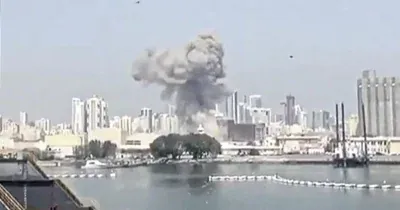
Escalating military tensions in the Middle East could increase cryptocurrency market volatility alongside energy prices and regulatory pressure on digital assets. Geopolitical risk events have historically triggered shifts in risk-on and risk-off asset flows.
Written by CoinArticle’s AI Newsroom · from 1 cited source. How we work
Macro Risk and Market Implications
Escalating military tensions in the Middle East may amplify volatility across crypto markets, which have historically responded to geopolitical events through broader shifts in risk appetite. Periods of elevated geopolitical uncertainty have previously correlated with increased correlations between equities, commodities, and digital assets as investors reassess portfolio allocation and hedge positions.
Secondary Effects on Crypto
Energy price spikes tied to regional instability can ripple through multiple vectors: higher transaction costs on proof-of-work blockchains that rely on energy-intensive mining, altered macroeconomic policy responses from central banks, and potential regulatory scrutiny if governments use geopolitical crises to justify tighter digital asset oversight. Bitcoin and other cryptocurrencies have sometimes been viewed as macro hedges during periods of currency instability, though this relationship remains inconsistent across market regimes.
Limited Immediate On-Chain Signal
As of publication, on-chain monitoring services have not reported abnormal volume or movement patterns linked to the reported military activity. Crypto market response, if any, would likely depend on the scope and duration of escalation and any subsequent central bank or government policy announcements.
Why It Matters
For Traders
Geopolitical risk events can trigger sharp intraday swings in BTC and ETH as macro traders rebalance; watch futures open interest and spot exchange inflows for signs of liquidation cascades.
For Investors
Crypto's macro hedge properties are inconsistent; multi-month positions should review correlation assumptions in existing stress scenarios rather than assume digital assets provide reliable crisis diversification.
For Builders
Protocol teams operating globally should stress-test infrastructure and community communication channels for scenarios where traditional markets freeze and user behavior becomes unpredictable.
This article is for information only and is not financial advice. Read the full disclaimer.