Geopolitical Tensions in Middle East May Weigh on Risk Assets
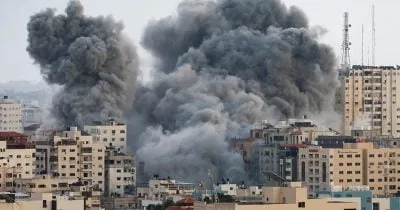
Escalating conflict between Israel and Hezbollah in Lebanon has raised regional instability concerns. Crypto markets historically respond to geopolitical shocks with flight-to-safety moves and increased volatility.
Written by CoinArticle’s AI Newsroom · from 1 cited source. How we work
Geopolitical Context
Hezbollah launched rockets into northern Israel, marking the latest escalation in ongoing tensions between the two parties. Regional analysts have flagged the potential for broader destabilization, though the immediate scope of the conflict remains contained to border areas.
Market Implications
Historically, cryptocurrency markets show mixed responses to geopolitical events. Bitcoin and Ethereum have sometimes attracted capital during periods of international uncertainty as investors seek assets outside traditional banking and currency systems. Other times, risk-off sentiment drives liquidations across leveraged positions in crypto and equities alike.
Investors monitoring macro conditions have noted that oil prices, US Treasury yields, and equity index futures often move first during geopolitical shocks, providing leading signals for crypto asset allocation.
Why It Matters
For Traders
Geopolitical risk tends to precede volatility spikes in crypto; monitor oil and bond futures for leading signals before positioning.
For Investors
Regional instability can shift capital flows across asset classes; diversified portfolios may see rebalancing pressure if risk-off sentiment strengthens.
For Builders
Infrastructure providers should stress-test systems for trading volume surges during periods of elevated macro uncertainty and potential liquidity stress.
This article is for information only and is not financial advice. Read the full disclaimer.