Multisig Wallets Secure Crypto's Largest Treasuries—and Remain Prime Heist Targets
Multisignature wallets protect the majority of cryptocurrency held by DAOs, exchanges, and protocols, requiring multiple private keys to authorize transactions. Despite their widespread adoption, multisigs remain vulnerable to theft, as evidenced by major breaches including Bybit's $1.5 billion loss.
Written by CoinArticle’s AI Newsroom · from 1 cited source. How we work
How Multisig Wallets Work
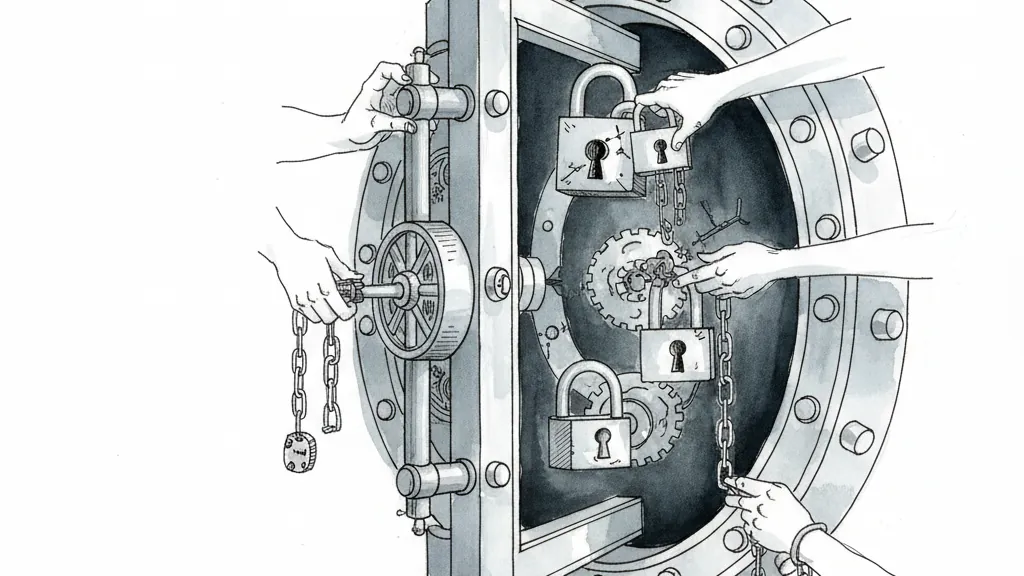
Multisignature wallets require approval from a threshold number of private key holders—typically two of three or three of five—before funds can be moved. This design distributes control across multiple parties, eliminating any single point of failure and preventing one compromised key or rogue actor from draining the entire wallet. Most major cryptocurrency exchanges, decentralized autonomous organizations, and protocol treasuries rely on multisigs to custody billions in assets.
Where They Are Deployed
Multisig architecture has become standard for managing high-value cryptocurrency holdings. DAO treasuries use them to ensure governance participants cannot unilaterally move community funds. Exchange cold storage systems employ multisigs to isolate customer deposits from online infrastructure. Protocol teams securing protocol-controlled assets and grants rely on multisig governance to prevent developer capture. Individual security-conscious investors also adopt multisigs for personal holdings, though adoption remains concentrated among institutions.
The Persistent Attack Surface
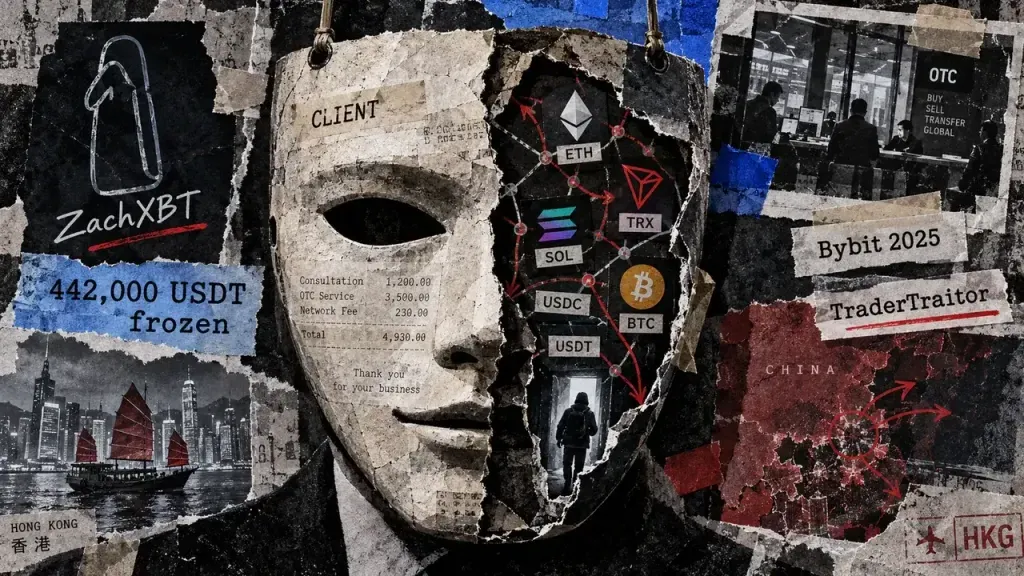
Despite their design advantages, multisig wallets have been at the center of the cryptocurrency industry's largest thefts. Bybit suffered a $1.5 billion loss through multisig compromise, illustrating that the standard does not eliminate human or operational vulnerabilities. Common attack vectors include social engineering of key holders, compromise of internet-connected devices used to sign transactions, and collusion between threshold signers. The security of a multisig wallet is only as strong as its weakest key holder and the operational discipline of the signing parties.
Why It Matters
For Traders
Understanding multisig security matters when choosing which exchanges and protocols hold your funds; a breach of a platform's multisig cold storage directly impacts customer asset safety.
For Investors
Multisigs are foundational to institutional custody and protocol governance security; weaknesses in multisig design or operation represent systemic risk to on-chain treasuries and exchange reserves.
For Builders
Protocol teams designing multisig governance should audit key holder selection, signing device security, and quorum requirements to reduce compromise risk and social engineering surface area.
This article is for information only and is not financial advice. Read the full disclaimer.