North Korea Denies Role in Major Crypto Hacks as TRM Labs Links DPRK to Losses
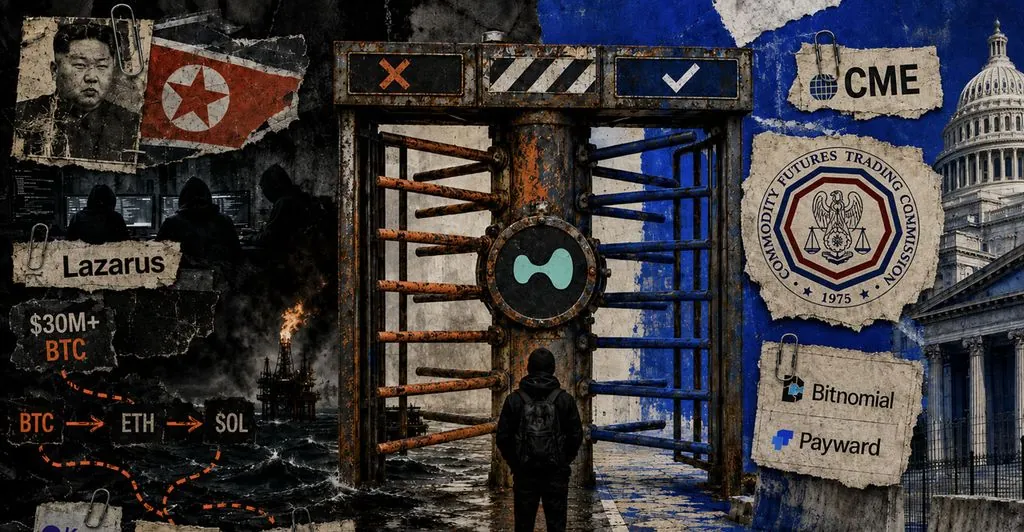
North Korea rejected allegations of state-backed cryptocurrency theft Tuesday, even as blockchain analytics firm TRM Labs published data attributing the majority of global hack losses in early 2026 to actors linked to the Democratic People's Republic of Korea. The denial comes amid ongoing investigations into large-scale exchange compromises.
Written by CoinArticle’s AI Newsroom · from 1 cited source. How we work
TRM Labs Attribution and Findings
Blockchain analytics firm TRM Labs released data Tuesday linking actors affiliated with North Korea to the majority of cryptocurrency theft losses recorded globally in early 2026. The firm did not specify the exact dollar figure or percentage of total losses attributed to DPRK-linked actors in the available reporting, but characterized the attribution as covering most documented hack-related losses during the period.
North Korean Response
Official channels representing North Korea rejected the allegations, denying any state involvement in cryptocurrency theft. The denial was issued in response to TRM Labs' findings, though no detailed counterevidence or explanation was provided.
Context on DPRK Cyber Activity
North Korea has been identified by U.S. and international cybersecurity authorities as a persistent threat actor in cryptocurrency markets for years. Previous incidents attributed to the regime include the 2022 Ronin bridge exploit, valued at roughly $625 million, and multiple exchange compromises. Blockchain monitoring firms including Chainalysis and TRM Labs have built attribution methodologies based on wallet clustering, mixing service patterns, and transaction flow analysis to link theft proceeds to state-sponsored actors.
Why It Matters
For Traders
Increased attribution of major hacks to state actors may prompt exchanges to tighten compliance and delay withdrawals on suspected DPRK-linked addresses, temporarily reducing liquidity.
For Investors
Persistent state-sponsored theft linked to major losses reinforces systemic custody and bridge security risks, affecting confidence in cross-chain protocols and exchange solvency.
For Builders
Confirmed DPRK involvement in recent breaches may accelerate regulatory pressure on protocols and exchanges to implement mandatory wallet monitoring and transaction filtering.
This article is for information only and is not financial advice. Read the full disclaimer.