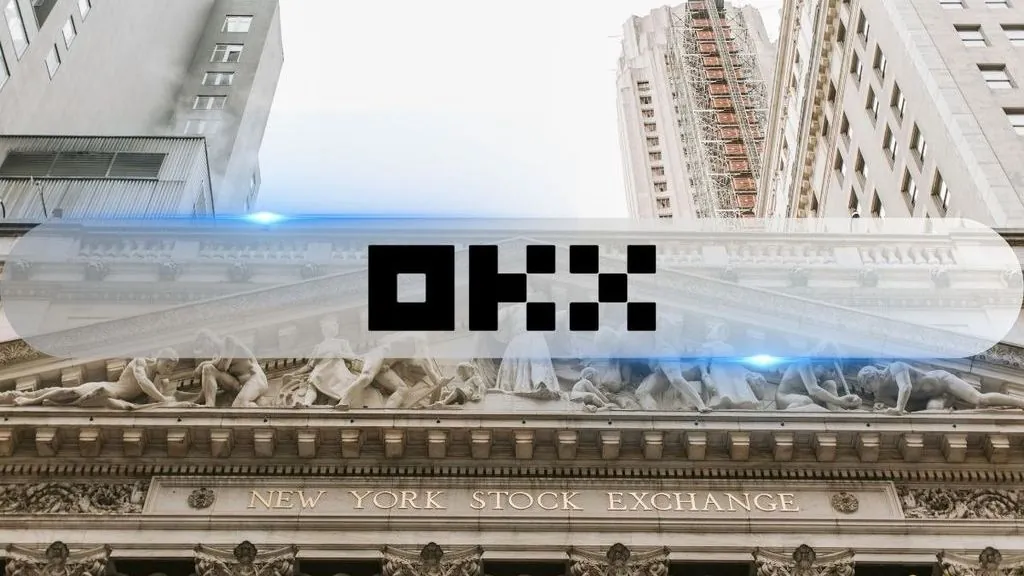
NYSE Merges Blockchain Technology with Traditional Trading Systems
The NYSE is integrating blockchain technology to enhance trading efficiency and transparency while preserving established practices. This development marks a pivotal step forward for financial markets as they adapt to innovative solutions without sacrificing their traditional foundations.
Written by CoinArticle’s AI Newsroom · from 1 cited source. How we work
The NYSE's Plan to Merge Blockchain Technology with Tradition
In a significant development for the financial world, the New York Stock Exchange (NYSE) has announced its intention to integrate blockchain technology into its existing trading frameworks. The goal is clear: to harness the benefits of blockchain without disrupting the traditional structures that have underpinned Wall Street for decades.
Jon Herrick, the NYSE's chief of product development, confirmed this innovative approach, highlighting the exchange's commitment to improving market efficiency while maintaining continuity in established trading practices. According to Herrick, the integration of blockchain technology will be achieved by layering it into the current systems rather than an outright replacement. This method is expected to innovate while ensuring that there are no surprises or interruptions for traders and institutions that rely on the existing infrastructure.
Why It Matters
For Traders
For traders, the NYSE's initiative could provide enhanced transactional efficiencies and greater transparency in trading. By leveraging blockchain’s inherent characteristics, such as immutability and decentralized verification, traders may benefit from faster settlement times and reduced operational risks. Additionally, the anticipated layer of blockchain technology might allow for more accurate tracking of orders and trades, fostering better-informed trading strategies.
For Investors
Investors can look forward to potential improvements in the investment landscape as the NYSE modernizes its systems. The incorporation of blockchain could minimize fraud and enhance security, addressing long-standing concerns in the financial markets. While the technology will not immediately transform the way investments are made, incremental improvements could lead to greater confidence from retail and institutional investors alike.
Moreover, as the NYSE pioneers this approach, it could establish a benchmark for other exchanges to follow, driving further adoption of blockchain solutions across the financial sector.
For Builders
For developers and innovators in the fintech space, the NYSE's plans present a wealth of opportunities. As the exchange begins to embrace blockchain, it could lead to a demand for new applications and services tailored to this hybrid model. Builders looking to create solutions that integrate traditional finance with modern technology will find a fertile ground for experimentation and development.
The NYSE's commitment to layering blockchain technology within existing systems signifies not just an evolution in trading practices but also a pivotal moment for the future of financial markets. As Wall Street navigates this digital transformation, the outcomes of these initiatives will be keenly observed by market participants at all levels.
This article is for information only and is not financial advice. Read the full disclaimer.