Oil Rally Past $105 Unwinds Warsh Trade in Bond Markets
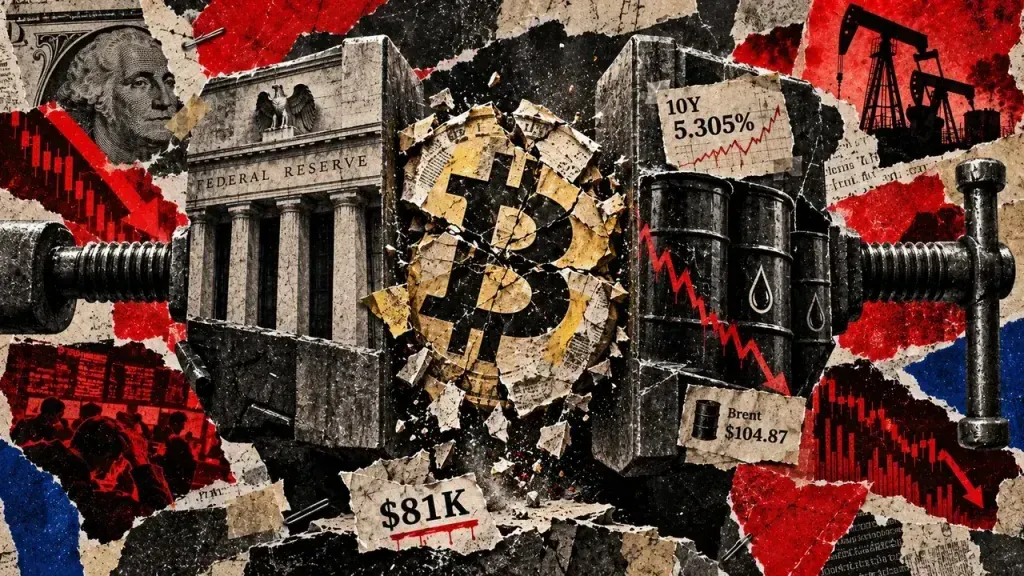
Oil prices surged past $105 per barrel Tuesday, prompting bond traders to abandon bets on dovish Federal Reserve policy tied to Kevin Warsh's nomination prospects. The move highlights sensitivity of rate expectations to energy volatility and broader macro uncertainty.
Written by CoinArticle’s AI Newsroom · from 1 cited source. How we work
The Unwind
Bond market participants reversed positions built on expectations of looser monetary policy as crude oil broke above $105 per barrel. The repricing signals traders are stepping back from bets that had assumed lower energy costs would allow the Federal Reserve to ease policy rates. Oil's surge compresses that scenario, as higher fuel prices feed into inflation expectations and reduce room for rate cuts.
Energy's Grip on Rate Expectations
The move underscores how tightly linked energy prices have become to near-term monetary policy assumptions. When oil rallies sharply, terminal rate expectations tend to rise because sustained energy inflation limits Fed optionality. Conversely, the earlier bond trade had assumed energy would remain benign, allowing focus to shift to growth concerns and labor market softness. Tuesday's reversal shows how fragile those assumptions remain in a high-volatility environment.
Broader Macro Implications
The episode reflects persistent uncertainty about the path forward for interest rates and inflation in 2024. Oil volatility tied to geopolitical risk, OPEC production decisions, and demand signals from China continues to drive material swings in fixed-income positioning. Traders are recalibrating their exposure to duration risk as the trading backdrop shifts, with energy prices now exerting outsized influence on consensus rate forecasts.
Why It Matters
For Traders
Oil above $105 raises the near-term ceiling on Fed rate cuts; bond positions targeting further easing face headwinds if crude sustains current levels.
For Investors
Macro volatility in energy and rates is creating whipsaw conditions for multi-asset portfolios; crypto correlation to risk-off episodes may intensify.
For Builders
Protocols with stablecoin or collateral systems sensitive to macro volatility should stress-test assumptions against sharp energy price moves and consequent rate repricing.
This article is for information only and is not financial advice. Read the full disclaimer.