Pakistan LNG Procurement Signals Energy Market Strain From Strait Disruptions
Pakistan is accelerating liquified natural gas procurement as geopolitical tensions around the Strait of Hormuz threaten global energy flows. The move reflects broader concerns about energy price volatility and supply chain stability in a region critical to global oil and gas transit.
Written by CoinArticle’s AI Newsroom · from 1 cited source. How we work
Regional Energy Vulnerability
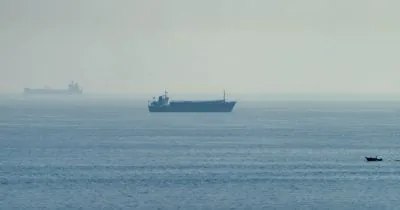
Pakistan's increased LNG procurement signals rising concern about energy security as geopolitical tensions in the Strait of Hormuz risk disrupting one of the world's most critical chokepoints for oil and gas shipments. Roughly 21% of global petroleum trade passes through the strait, making any sustained disruption a material factor for energy markets across Asia and beyond.
Implications for Energy Markets
Escalating tensions in the region are creating upward pressure on LNG prices and forcing energy-dependent economies to secure additional supplies at potentially elevated costs. Pakistan's move reflects a defensive posture common among nations with limited domestic energy reserves and heavy reliance on imports, where supply disruptions can cascade into broader macroeconomic stress.
Why It Matters
For Traders
Geopolitical energy supply concerns often drive volatility in crude and natural gas futures, which can correlate with crypto market risk sentiment and macro trading flows.
For Investors
Regional energy instability increases macroeconomic uncertainty and inflation pressures, factors that historically influence asset allocation across risk categories including digital assets.
For Builders
Energy cost volatility and grid stability concerns in emerging markets may shape demand for distributed ledger applications in energy trading and supply chain transparency.
This article is for information only and is not financial advice. Read the full disclaimer.