US Naval Blockade in Strait of Hormuz Raises Oil Price Risk for Crypto Markets
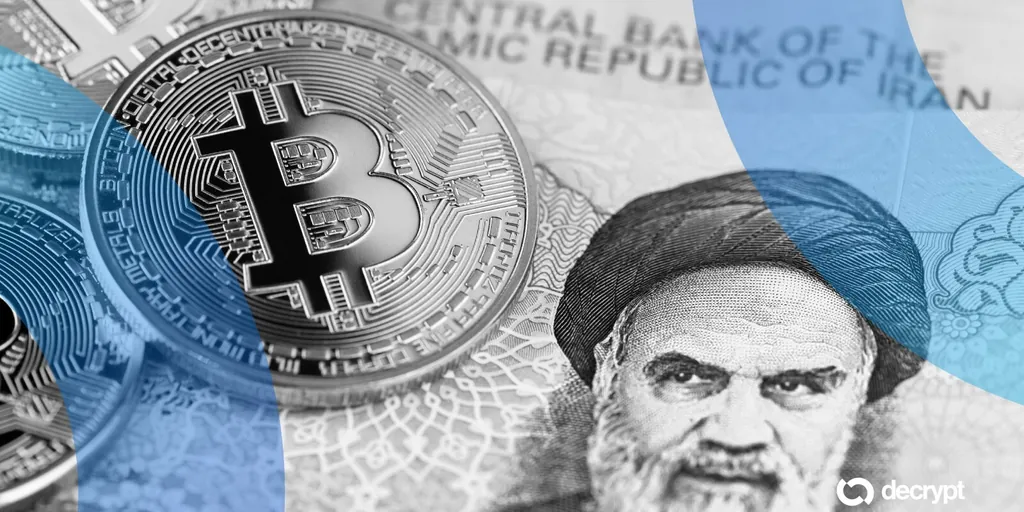
The US has reinstated a naval blockade on Iran in the Strait of Hormuz amid escalating regional tensions. The move could increase oil price volatility, a macro factor that historically correlates with crypto asset valuations and risk appetite.
Written by CoinArticle’s AI Newsroom · from 1 cited source. How we work
Blockade and Regional Context
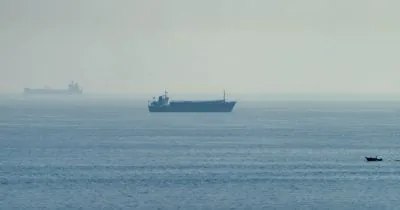
The US has reinstated a naval blockade targeting Iran in the Strait of Hormuz, one of the world's most critical chokepoints for global energy supply. The blockade relies on economic pressure rather than direct military engagement, according to reporting from Crypto Briefing. Roughly 20% of global oil passes through the strait daily, making disruptions there a material risk to energy markets worldwide.
Implications for Markets and Risk Assets
Naval blockades that disrupt oil flows typically drive crude prices higher, which can trigger broader shifts in risk appetite across financial markets. Elevated energy costs feed into inflation expectations and may influence central bank policy, factors that have historically moved cryptocurrency prices alongside equities and bonds. Crypto traders monitor macro conditions closely; periods of rising oil prices and geopolitical tension often coincide with reduced capital flows into higher-risk assets.
What to Watch
The durability and scope of the blockade remain unclear from available reports. Any actual disruption to oil shipments through the strait would likely ripple through commodity and equity markets within hours, with downstream effects on crypto sentiment. For now, the reinstatement signals continued US-Iran friction and underscores why energy security remains intertwined with global financial stability.
Why It Matters
For Traders
Oil price spikes from supply-chain friction historically correlate with equity and crypto drawdowns; monitor WTI futures and risk-off indicators closely over the next 48-72 hours.
For Investors
Geopolitical risk premiums in energy markets can compress risk appetite for months; crypto's sensitivity to macro conditions means blockade escalation could weigh on longer-dated positions.
For Builders
Sustained energy-price volatility increases infrastructure costs for on-chain computation and staking operations; protocols relying on cheap power may see margin compression.
This article is for information only and is not financial advice. Read the full disclaimer.