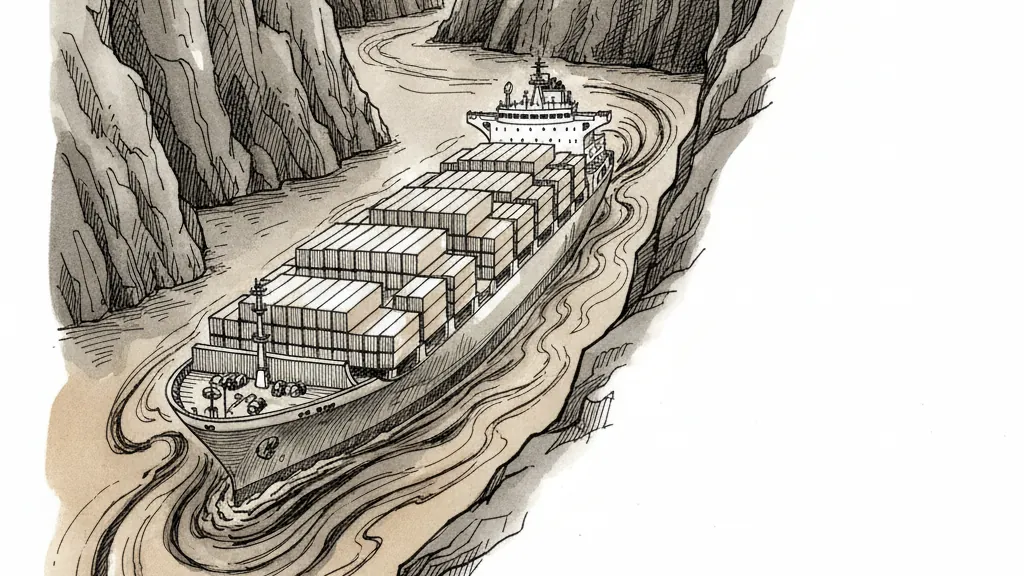
Panama Canal Tolls Hit $4M as Hormuz Crisis Redirects Global Shipping
Panama Canal transit fees have surged to $4 million as geopolitical tensions at the Hormuz Strait force shipping companies to reroute cargo through alternative passages. The dramatic toll increase is rippling through global supply chains, affecting cryptocurrency hardware imports, consumer goods pricing, and creating new trading opportunities across multiple sectors.
Written by CoinArticle’s AI Newsroom · from 1 cited source. How we work
Panama Canal Fees Hit $4M as Hormuz Blockade Reroutes Shipping Traffic
The Rising Cost of Global Trade
Panama Canal tolls have surged to unprecedented levels, reaching $4 million for transits as geopolitical tensions continue to reshape global shipping patterns. The dramatic increase reflects a fundamental shift in international logistics, driven by ongoing blockades at the Hormuz Strait that force shipping companies to seek alternative routes at significantly higher costs.
The Canal, which handles approximately 5% of global maritime trade, has become a critical chokepoint in an already strained logistics network. With traditional Middle East routes facing increased disruptions, shippers are increasingly turning to the Panama Canal as their preferred passage, driving demand and toll rates to historic highs. This represents a substantial operational cost increase for companies reliant on maritime transport.
Geopolitical Tensions Reshape Global Shipping Routes
Recent tensions in the Hormuz Strait have created cascading effects throughout global supply chains. The blockade has made the traditional Suez-to-Asia route less reliable, pushing shipping companies to divert vessels through the Panama Canal—a longer but reportedly safer alternative. This rerouting adds significant transit time and fuel costs to shipments, compounding financial pressure on the shipping industry.
The situation demonstrates how regional conflicts directly impact global commerce. Maritime companies face difficult choices: pay elevated Panama Canal tolls for perceived security, or risk uncertainty navigating traditional Middle Eastern passages. Most have chosen higher tolls, creating unprecedented demand that Canal administrators have capitalized upon through higher fee structures.
Economic Ripple Effects Across Industries
Increased shipping costs are reverberating throughout supply chains, affecting consumer goods pricing, cryptocurrency mining operations reliant on hardware imports, and manufacturing sectors dependent on just-in-time delivery. Small and medium-sized enterprises, lacking multinational negotiating power, bear disproportionate cost increases that compress margins and threaten profitability.
Why It Matters For Traders
Elevated shipping costs create inflationary pressures that influence central bank interest rate decisions and currency valuations. This presents trading opportunities in commodities, emerging market currencies, and transportation stocks positioned to benefit from route diversification.
Why It Matters For Investors
Shipping companies benefit from higher toll revenues, while consumer goods and manufacturing firms face margin compression. Diversified logistics firms with alternative route options and infrastructure plays around port operators offer competitive advantages worth monitoring.
Why It Matters For Builders
Shipping disruptions highlight the value of digital alternatives to traditional supply chain management. Blockchain and crypto infrastructure developers building supply chain transparency and decentralized logistics solutions may see increased market demand as traditional systems face strain.
This article is for information only and is not financial advice. Read the full disclaimer.